
Understanding Rhinoplasty: The Complete Guide
Rhinoplasty, commonly known as a nose job, is one of the most popular cosmetic procedures worldwide. In 2026, the global rhinoplasty market is projected to reach between $5.4-10.5 billion, reflecting the growing demand for both aesthetic and functional nasal surgery. Whether you're considering rhinoplasty for cosmetic enhancement or medical necessity, understanding the procedure is essential for making an informed decision.
What Exactly is Rhinoplasty?
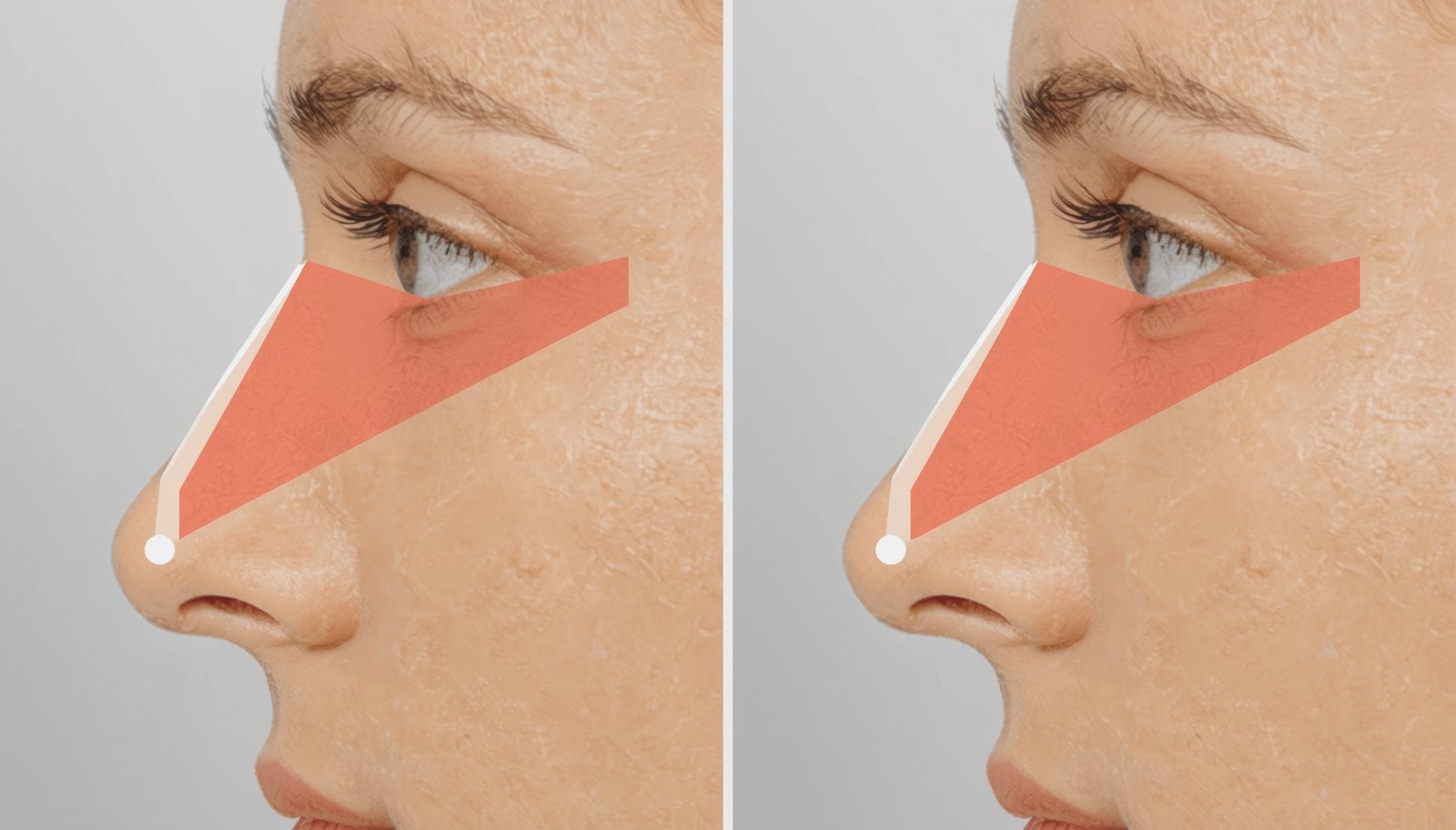
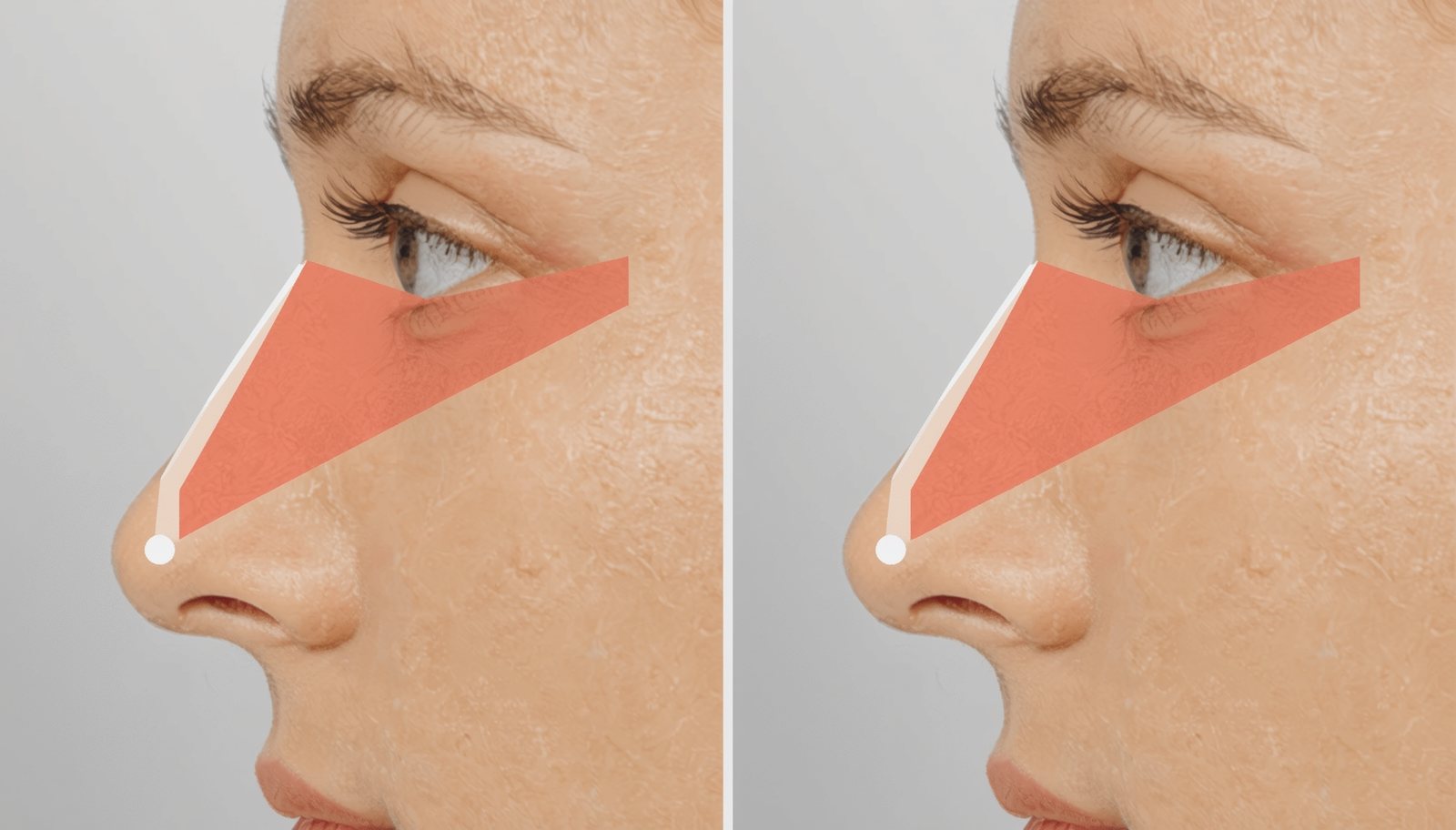
Rhinoplasty is a surgical procedure that reshapes the nose by modifying the bone, cartilage, and soft tissue. The surgery can address both aesthetic concerns and functional issues, making it a versatile solution for various nasal problems.
Types of Rhinoplasty
There are several distinct types of rhinoplasty, each serving different purposes:
1. Cosmetic Rhinoplasty
Focuses purely on improving the nose's appearance. Common goals include:
- Reducing or augmenting nose size
- Reshaping the nasal tip
- Narrowing nostril width
- Correcting asymmetry
- Removing bumps or humps on the bridge
- Changing the angle between nose and upper lip
2. Functional Rhinoplasty (Septoplasty)
Addresses breathing problems and structural issues:
- Correcting a deviated septum
- Improving airflow through nasal passages
- Treating chronic sinus problems
- Repairing damage from injury or trauma
Many patients opt for a combined approach, addressing both cosmetic and functional concerns in a single procedure called septorhinoplasty.
3. Revision (Secondary) Rhinoplasty
Performed to correct or improve results from a previous rhinoplasty. According to 2026 data, revision rates stand at approximately 3.1% for primary procedures and 11% for secondary surgeries. Revision rhinoplasty is typically more complex and requires a highly experienced surgeon.
4. Ethnic Rhinoplasty
Tailored to preserve ethnic identity while achieving aesthetic goals. This specialized approach respects the unique nasal characteristics of different ethnic groups, including African-American, Asian, Middle Eastern, and Hispanic patients. Recent studies show that ethnicity-conscious rhinoplasty enhances patient satisfaction and reduces complication rates.
5. Male Rhinoplasty
Customized techniques that maintain masculine facial features. Men accounted for approximately 18% of all rhinoplasty procedures in 2020, with nose surgery being the most popular cosmetic procedure among male patients.
The Rhinoplasty Procedure: Step-by-Step
Pre-Operative Phase
1. Initial Consultation: Your surgeon will:
- Evaluate your nasal structure and facial proportions
- Discuss your aesthetic goals and expectations
- Review your medical history
- Take photographs and possibly create 3D imaging
- Explain the procedure, risks, and expected outcomes
2. Surgical Planning: Your surgeon will determine:
- Surgical approach (open vs. closed technique)
- Anesthesia type (general vs. local with sedation)
- Specific techniques to achieve your goals
The Surgery Itself
Rhinoplasty typically takes 1.5 to 3 hours, depending on complexity:
- Anesthesia Administration: General anesthesia or local anesthesia with IV sedation
- Incision: Either inside the nostrils (closed rhinoplasty) or with a small external incision (open rhinoplasty)
- Reshaping: The surgeon sculpts the bone and cartilage to achieve the desired shape
- Closing: Incisions are closed with sutures
- Splinting: A nasal splint and internal packing support the new structure
Open vs. Closed Rhinoplasty: Understanding Your Options
Research from 2025-2026 shows that both techniques yield comparable results, with no significant difference in patient satisfaction, complication rates, or final outcomes.
Open Rhinoplasty (52% of cases)
Advantages:
- Superior visualization of nasal structures
- Greater precision for complex corrections
- Ideal for revision procedures
- Better for significant tip work or structural grafting
Considerations:
- Small external scar (typically fades to near-invisible)
- Slightly longer operative time
- Potentially more swelling initially
Closed Rhinoplasty (48% of cases)
Advantages:
- No external scarring
- Less swelling and faster initial recovery
- Shorter operative time
- Preserved vascular integrity
Considerations:
- Limited visibility for surgeon
- Best for less complex cases
- Requires highly experienced surgeon
Recovery Timeline: What to Expect
Understanding the healing process helps manage expectations and ensures optimal results.
First 72 Hours: Initial Recovery
- Peak swelling and bruising around nose and eyes
- Nasal congestion due to internal swelling
- Discomfort managed with prescribed pain medication
- Sleep with head elevated at 30-45 degrees
- Cold compresses to reduce swelling
- No nose blowing or strenuous activities
Week 1: Splint and Stitch Removal
- Splint removed around day 7
- Stitches removed (if external)
- Significant reduction in swelling begins
- Bruising starts fading
- First follow-up appointment with surgeon
Weeks 2-3: Return to Normal Activities
- Most patients return to work/school after 7-10 days
- Swelling decreased by approximately 60%
- Still avoid strenuous exercise, contact sports
- No wearing glasses (use tape or forehead support)
- Continued sensitivity in nasal area
Months 1-3: Visible Transformation
- After 1 month: 70% of swelling resolved
- Nose begins to look more natural
- Can resume most normal activities with caution
- Subtle changes continue as tissues settle
Months 3-6: Refinement Phase
- 80% of swelling subsided by month 6
- Nose shape becoming more defined
- Residual swelling mainly at tip (common)
- Can resume all physical activities
Months 6-12: Final Results
- Complete healing achieved by 12 months
- Final shape fully visible
- Subtle refinements continue as nose settles
- Scar tissue (if any) fully matured
Important Note: Recovery varies by individual. Factors like age, skin thickness, surgical complexity, and following post-operative instructions all influence healing speed.
Expected Results and Success Rates
Rhinoplasty has a success rate of approximately 80%, with patient satisfaction typically high when expectations are realistic and the surgeon is experienced. The procedure can:
- Improve facial harmony and proportions
- Enhance self-confidence and self-image
- Correct breathing difficulties
- Repair trauma or congenital defects
However, it's crucial to understand that results are not immediately visible and the nose continues evolving for up to one year.
How AI-Powered Surgeon Matching Transforms Your Journey
Finding the right rhinoplasty surgeon is perhaps the most critical decision in your journey. Traditional methods involve endless research, conflicting reviews, and uncertainty. This is where AI-powered matching technology revolutionizes the process.
The RhinoMatch Advantage
Our platform uses advanced algorithms to:
- Analyze Your Unique Needs: Input your aesthetic goals, functional concerns, nose type, and preferences
- Match Surgeon Expertise: Connect you with specialists experienced in your specific case type (ethnic rhinoplasty, revision, male rhinoplasty, etc.)
- Verify Credentials: Access board certifications, years of experience, specializations, and patient outcomes
- Compare Options: View multiple qualified surgeons with transparent pricing, before/after galleries, and verified patient reviews
- Consider Logistics: Factor in location, availability, language capabilities, and budget
Why Surgeon Selection Matters
Research consistently shows that surgeon experience directly correlates with outcomes:
- Revision rates vary significantly between surgeons (from 2% to 15%)
- Complex cases require specialists with specific expertise
- Ethnic rhinoplasty demands cultural sensitivity and anatomical knowledge
- Revision rhinoplasty success depends on advanced surgical skills
Cost Considerations in 2026
Rhinoplasty costs vary significantly based on location, surgeon experience, and procedure complexity:
United States
- Average cost: $8,000 - $15,000
- Revision rhinoplasty: $9,000 - $20,000+
Europe
- Average cost: €6,000 - €10,000
Turkey (Medical Tourism Hub)
- Average cost: $2,500 - $7,500
- All-inclusive packages: $3,500 - $5,000 (including hotel, transfers, aftercare)
- Experienced surgeons: $4,000 - $7,500
Cost factors include:
- Surgeon's experience and reputation
- Geographic location
- Facility accreditation and quality
- Anesthesia fees
- Surgical technique complexity
- Revision vs. primary procedure
- Additional procedures (septoplasty, turbinate reduction)
Is Rhinoplasty Right for You?
Ideal Candidates:
- Age 18+ (facial growth complete)
- Good physical and mental health
- Non-smoker or willing to quit
- Realistic expectations about outcomes
- Specific concerns about nasal appearance or function
- Stable emotional health
Not Recommended For:
- Active smokers (increases complications significantly)
- Unrealistic expectations
- Severe health conditions
- Recent nasal trauma (wait for complete healing)
- Body dysmorphic disorder (untreated)
Taking the Next Step
Rhinoplasty is a transformative procedure that can enhance both appearance and quality of life. Success depends on three key factors:
- Realistic Expectations: Understand what rhinoplasty can and cannot achieve
- Choosing the Right Surgeon: Experience, specialization, and rapport matter immensely
- Commitment to Recovery: Following post-operative instructions ensures optimal results
With AI-powered surgeon matching, finding your ideal rhinoplasty specialist has never been easier. Our platform eliminates guesswork, providing personalized recommendations based on your unique needs, budget, and goals.
Frequently Asked Questions
How long does rhinoplasty last?
Results are permanent, though natural aging continues to affect facial structures. Most patients never need revision surgery.
Is rhinoplasty painful?
Most patients report discomfort rather than severe pain. Medication effectively manages any pain during the first few days. The worst pain typically occurs in the first 72 hours.
Can rhinoplasty fix breathing problems?
Yes, functional rhinoplasty (septoplasty) specifically addresses breathing issues caused by structural problems like a deviated septum.
When can I see final results?
While you'll notice significant improvement after 1-3 months, final results take 12 months as subtle swelling resolves and tissues fully settle.
What's the difference between primary and revision rhinoplasty?
Primary rhinoplasty is your first nose surgery. Revision rhinoplasty corrects or improves results from a previous procedure. Revisions are more complex due to scar tissue and altered anatomy.
Start Your Rhinoplasty Journey Today
Don't navigate the complex world of rhinoplasty alone. Our AI-powered platform connects you with the perfect surgeon for your unique needs, ensuring confidence every step of the way. Your dream nose is within reach—let us help you find the expert who can make it a reality.