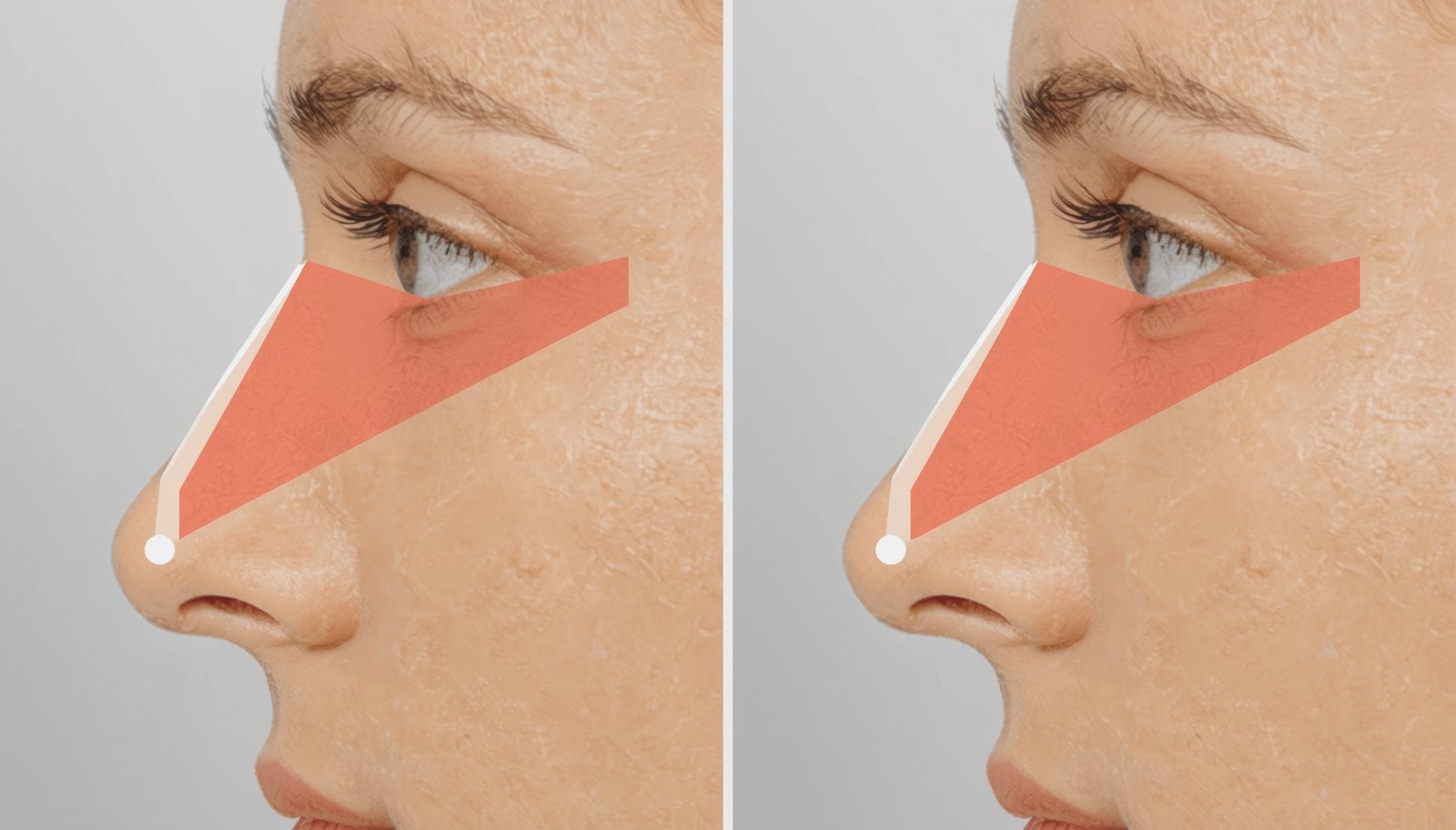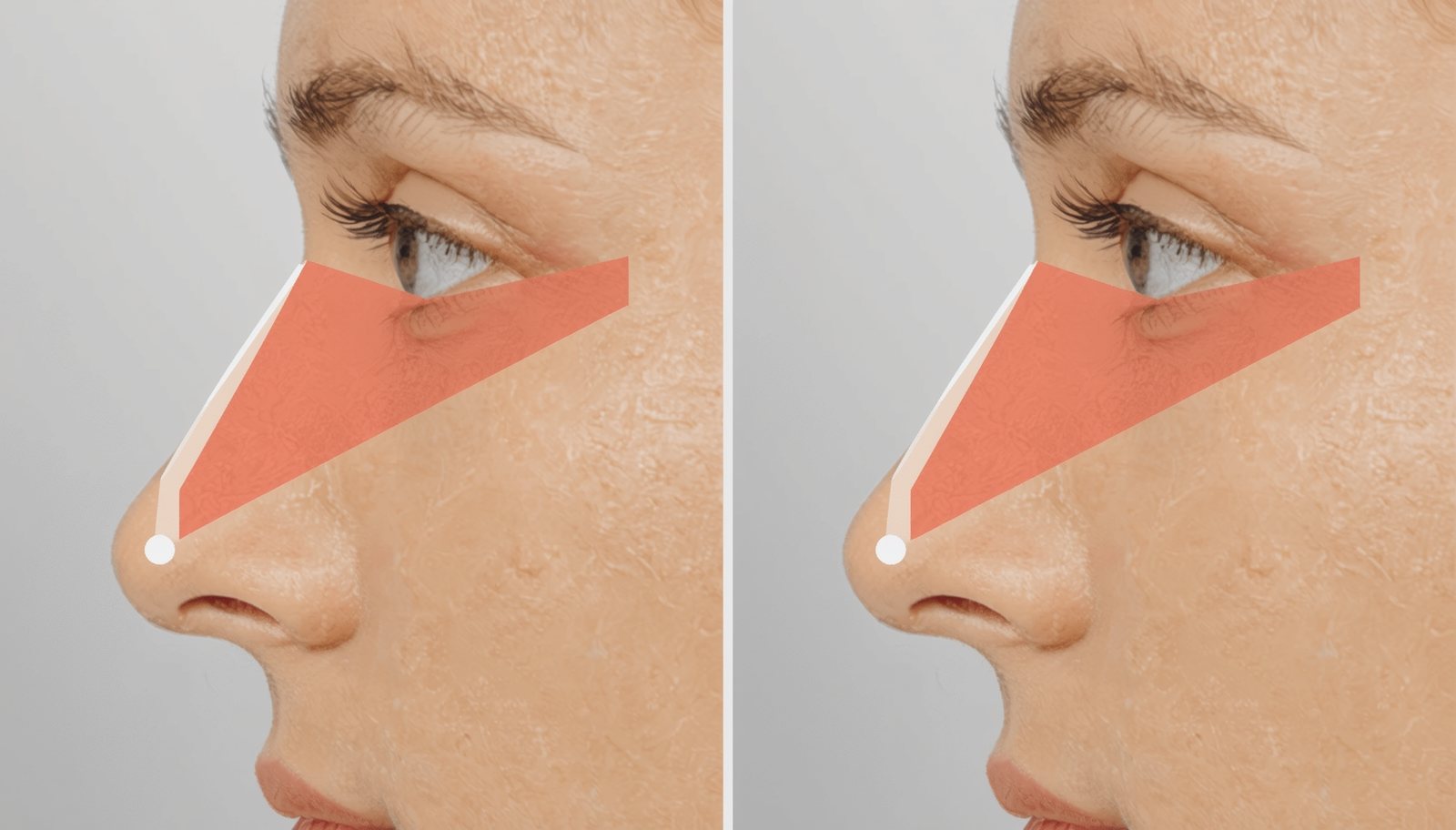

Modern rhinoplasty is increasingly combined with travel, especially to popular destinations for cosmetic surgery. Whether you are flying home after surgery or planning a future trip, timing and preparation are essential for protecting your new nose.[web:65][web:68] This guide explains how long to wait before flying, how cabin pressure and germs can affect healing, and what international patients should plan for.
How Soon Can You Fly After Rhinoplasty?
Recommendations on post-rhinoplasty flying vary slightly among surgeons, but most agree that very early air travel is risky for comfort and swelling.
- >Some facial plastic surgery clinics advise no flying at all in the first 5–7 days after surgery, especially while splints and initial packing are still in place.[web:74][web:71]>Many surgeons recommend waiting at least 1–2 weeks for short flights, once the worst swelling has subsided and the surgeon has checked early healing.[web:65][web:71]>Long-haul flights are often best delayed for 2–3 weeks or more, to reduce discomfort and the risk of complications related to pressure changes and immobility.[web:65][web:68]
These timeframes are general; complex revision procedures or combined surgeries may require a longer delay before flying. Always follow the specific advice of your operating surgeon.
Why Flying Too Soon Can Be Problematic
Air travel poses several challenges for fresh rhinoplasty patients:
- >Cabin pressure changes can increase discomfort, pressure, or short-term swelling in the nasal tissues.[web:68][web:74]>Dry cabin air may irritate already sensitive nasal mucosa, making crusting or congestion feel worse.[web:68]>Limited movement on long flights increases the risk of blood clots and makes it harder to keep your head comfortably elevated.[web:65]>Distance from your surgeon can complicate access to urgent care in the rare event of bleeding or infection.[web:74]
Planning Your Return Flight as a Medical Tourist
If you are traveling internationally for rhinoplasty, careful scheduling and coordination are crucial.
- >Stay in the destination city at least through splint removal (often day 5–7) so your surgeon can check early healing and clear you for travel.[web:74]>Book flexible or refundable flights to allow date changes if swelling, bleeding, or other issues delay your ability to fly.>Choose an aisle seat near the front so you can stand and walk periodically, reducing clot risk and stiffness.>Arrange local follow-up options in your home country in case you need a physician to check on you after you return.
In-Flight Strategies to Protect Your Nose
Once your surgeon has said it is safe to fly, the following strategies can make the journey more comfortable and safer for your healing nose.
- >Keep your head elevated: Use a neck pillow and slightly recline the seat to maintain a gentle incline rather than lying flat.[web:65]>Manage congestion: With your surgeon’s approval, some patients use oral decongestants or nasal sprays before takeoff and landing to reduce pressure-related discomfort.[web:74]>Stay hydrated: Drink water regularly and avoid excessive caffeine and alcohol, which can worsen dehydration and swelling.[web:68]>Avoid lifting heavy luggage: Ask for help with overhead bins to avoid straining or accidentally bumping your nose.[web:74]
Hygiene and Infection Prevention While Traveling
Right after surgery, your immune system is busy with tissue repair, making basic hygiene even more important.
- >Wear a high-quality mask in crowded terminals and on planes to reduce exposure to respiratory infections.>Use hand sanitizer frequently and avoid touching your face and nose.[web:68]>Carry saline sprays and any prescribed ointments in your personal item to keep nasal passages moist according to your surgeon’s instructions.
Medication, Documents, and Airport Security
Traveling with recent surgery also means extra paperwork and planning.
- >Keep medications in their original labeled containers and pack them in your carry-on bag to avoid loss or temperature extremes in checked luggage.>Carry a medical letter from your surgeon summarizing your procedure, current medications, and any special considerations; this can help if you need medical care abroad or have questions at security.>Allow extra time at customs and security: Move slowly, and inform officers that you recently had nasal surgery if you are concerned about accidental bumps in crowded lines.
Emergency and Contingency Planning
Even when recovery is smooth, it is wise to plan for unexpected situations.
- >Know how to contact your surgeon quickly by phone, email, or messaging in case of unusual bleeding, sudden swelling, or severe pain after you leave the country.>Ask your clinic whether they have partner doctors or recommended ENT or plastic surgeons in your home area.>Consider travel insurance that covers medical complications related to elective surgery, as standard policies sometimes exclude them.
How Nose Journey Supports International Patients
Many Nose Journey users travel across cities or countries to find their ideal rhinoplasty surgeon. The platform’s AI matching lets you filter for surgeons who frequently work with international patients and offer structured remote follow-up, clear travel guidelines, and multilingual support.[memory:3]
By combining the right surgeon with thoughtful travel planning, you can enjoy the benefits of medical tourism while keeping your long-term rhinoplasty results safe.