Rhinoplasty Trends 2026: Technology, Aesthetics, and the Rise of AI
Rhinoplasty in 2026 looks very different from traditional nose surgery a decade ago. Today’s patients expect natural results, minimal downtime, and highly personalized planning. Surgeons now combine advanced tools—ultrasonic devices, 3D simulations, and AI‑assisted analysis—to deliver safer procedures and more predictable outcomes. If you are considering rhinoplasty, understanding these key trends will help you make informed, future‑proof decisions.
1. Ultrasonic Rhinoplasty: Precision with Less Trauma
One of the most important technical shifts is the move toward ultrasonic (piezo) rhinoplasty. Instead of manual rasps and hammers, surgeons use ultrasonic instruments that vibrate at very high frequencies to sculpt nasal bone selectively.[web:62][web:64][web:59]
Key advantages described by recent clinical updates include:
- Selective Bone Cutting: Ultrasonic tools act primarily on bone, sparing nearby soft tissues and blood vessels
- Less Swelling and Bruising: Up to 50% reduction in tissue trauma compared to traditional methods, leading to milder bruising and faster recovery[web:62]
- More Precision: Surgeons can control every millimeter of contour change, improving symmetry and dorsal shape
- Better for Complex and Revision Cases: Particularly useful when dealing with previous surgery, grafts, or irregular bone surfaces
Patients often return to daily activities earlier, with many clinics reporting 7–10 days of social downtime after ultrasonic procedures.[web:59][web:62][web:64]
2. Preservation Rhinoplasty: Keeping What Works
Preservation rhinoplasty continues to grow, focusing on maintaining natural structures instead of aggressively cutting and rebuilding them. Research comparing dorsal preservation with traditional structural techniques shows that both methods improve aesthetics, but preservation offers advantages in maintaining natural dorsal lines and support.[web:48][web:13]
Core elements of preservation include:
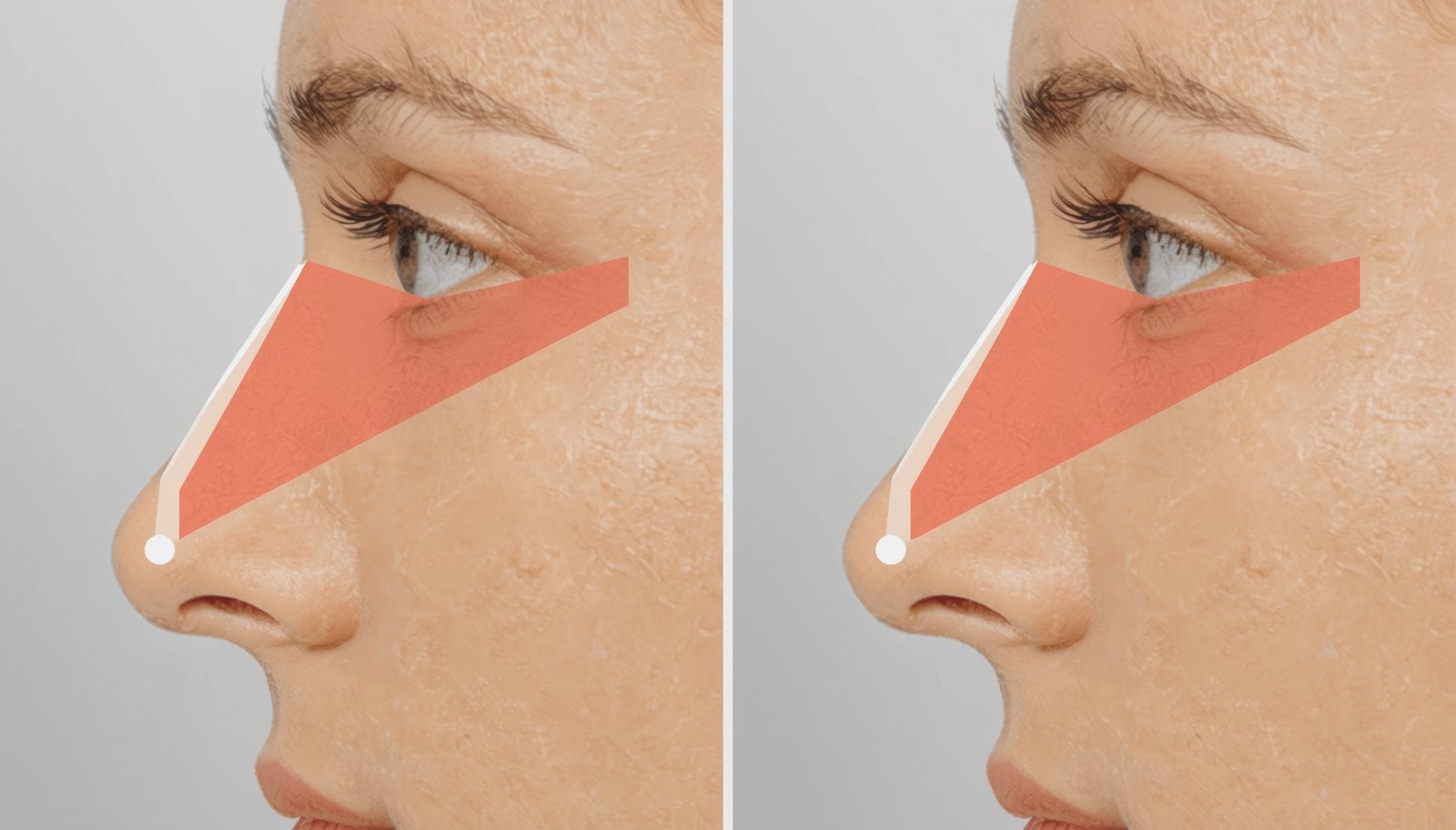
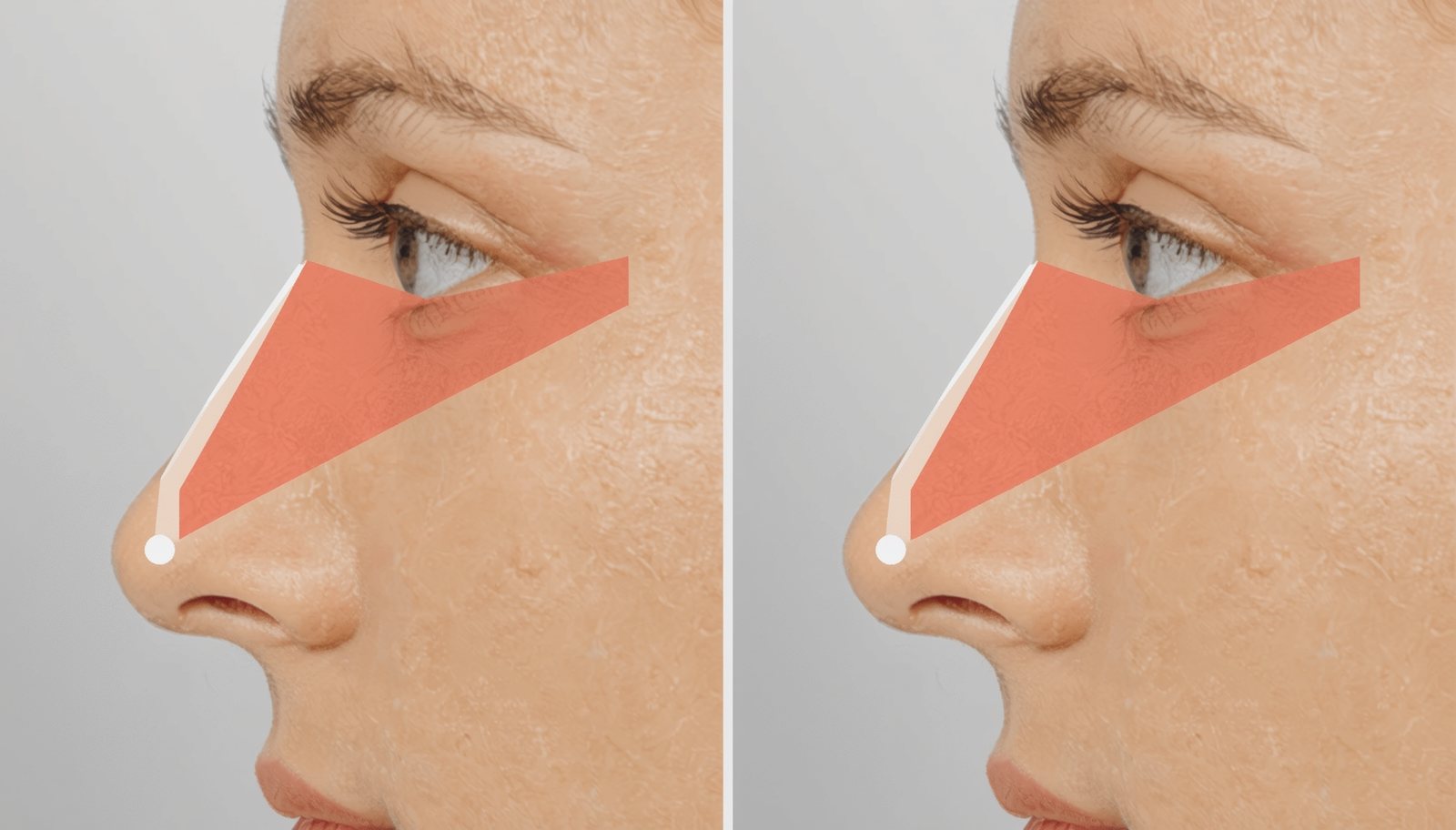
- Maintaining Dorsal Cartilage and Bone: Lowering the bridge by repositioning instead of removing large segments
- Respecting Ligaments and Support: Protecting key structures that keep the nose stable over time
- Reduced Irregularities: Smoother transitions and fewer visible edges under thin skin
- Better Long‑Term Stability: Less risk of collapse or unnatural contour changes as tissues age
This approach aligns with the wider trend toward natural, subtle “non‑operated” noses rather than aggressively sculpted, obviously surgical results.[web:21][web:19][web:22]
3. Non‑Surgical and Hybrid Rhinoplasty Options
Nonsurgical rhinoplasty using hyaluronic acid fillers has become an established option for patients seeking temporary or minor changes. Recent reviews confirm that fillers can correct small humps, improve symmetry, and refine tip projection without surgery—though they cannot reduce nose size or improve breathing.[web:12][web:17]
Newer approaches combine fillers with other minimally invasive tools such as barbed threads or botulinum toxin to fine‑tune nasal shape and expression.[web:18] These techniques are especially popular among patients who want:
- To “test drive” a new profile before committing to surgery
- Subtle improvements with minimal downtime
- Touch‑up options after surgical rhinoplasty
However, experts emphasize that injectables require experienced providers due to the risk of vascular complications, especially in the nose where vessels are dense and complex.[web:12][web:17][web:18]
4. AI, 3D Imaging, and Augmented Reality Planning
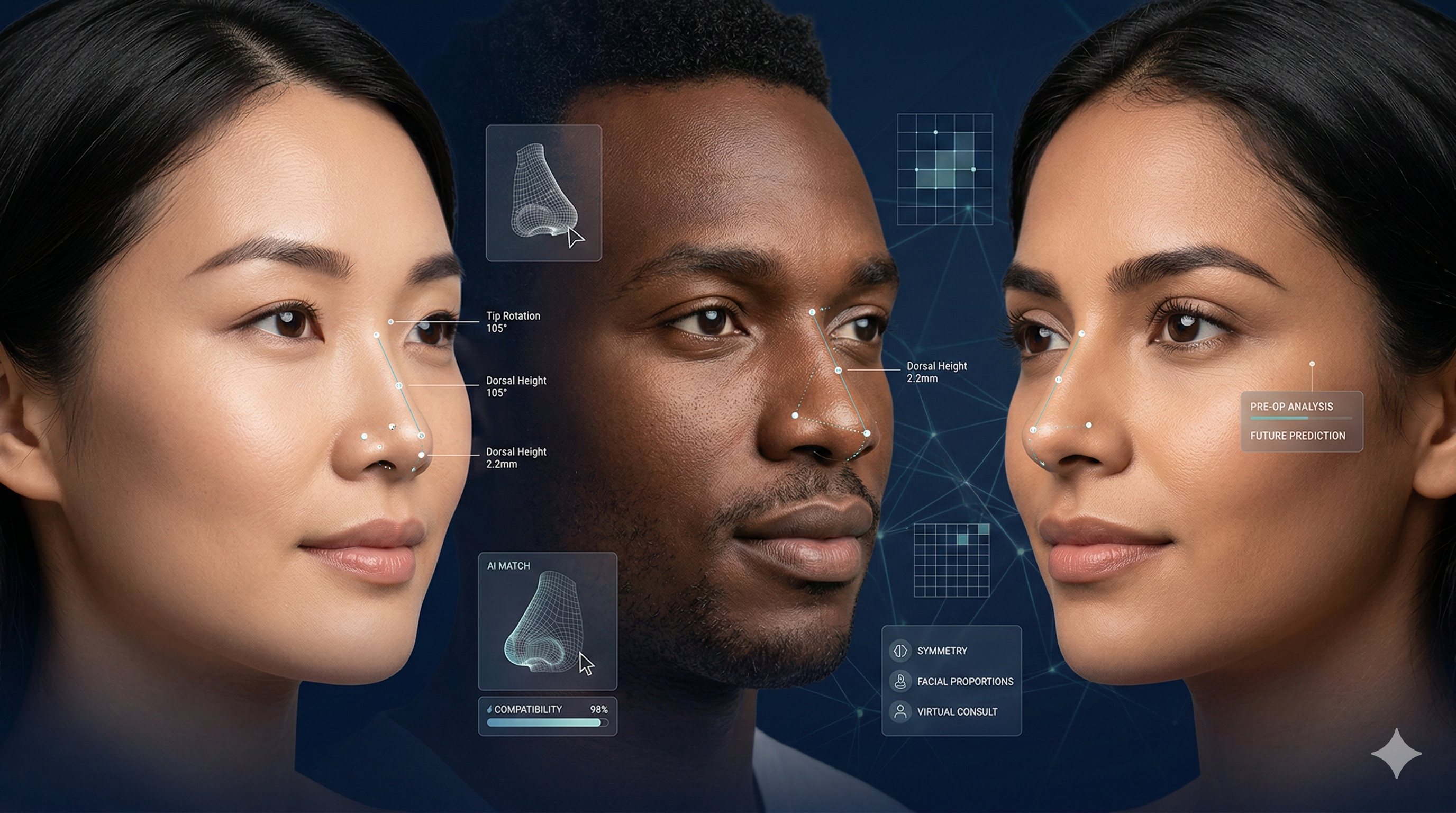
Artificial intelligence is rapidly moving from theory to practical tools in rhinoplasty. Recent publications describe intelligent augmented reality applications that combine facial scanning, algorithmic analysis, and virtual overlays to plan customized nasal surgery.[web:38] At the same time, AI‑driven 3D imaging platforms allow patients to “try on” different nose shapes in realistic simulations.[web:59][web:64]
Benefits of AI and 3D planning include:
- Better Communication: Surgeons and patients can visually agree on goals and limits
- Objective Analysis: Algorithms evaluate facial proportions, symmetry, and structural constraints[web:38]
- Improved Expectation Management: Realistic simulations reduce the gap between what patients imagine and what surgery can deliver[web:52]
- Data‑Driven Decisions: Over time, AI can learn from thousands of cases to suggest safer and more effective plans[web:38][web:46]
Platforms like Nose Journey sit on top of this trend by using AI to match patients with surgeons whose style, technique, and experience align with their individual anatomy and aesthetic goals.
5. Natural Aesthetics Over “Cookie‑Cutter” Noses
Across global markets, patients increasingly request noses that look natural and fit their face and ethnicity rather than a single universal ideal. Analyses of patient preferences highlight a shift toward subtle, preservation‑focused changes that respect cultural features.[web:8][web:21][web:26]
Key elements of the 2026 aesthetic direction include:
- Soft, Straight or Slightly Curved Dorsum: Extreme scoops and overly upturned tips are less in demand than a few years ago
- Ethnic Feature Preservation: Instead of Westernizing noses, surgeons tailor techniques to maintain identity while improving harmony[web:8]
- Balanced Profiles: Surgeons consider chin, lips, cheeks, and forehead when deciding how much to change the nose[web:52]
- “You, But Better” Philosophy: The best rhinoplasties are intentionally undetectable, even under high‑resolution cameras
This evolution reflects broader cosmetic trends emphasizing naturalness and regenerative techniques rather than aggressive over‑correction.[web:26][web:29]
6. Increased Focus on Safety, Function, and Revision Prevention
As demand for rhinoplasty grows, so does attention to safety and long‑term function. Studies on social media filters, unrealistic expectations, and BDD show that many revision cases arise from patients who pursued extreme cosmetic changes without fully understanding risks.[web:58][web:39]
In response, leading surgeons emphasize:
- Breathing First: Integrating septoplasty and valve support to maintain or improve airflow[web:14][web:16]
- Structural Stability: Using grafts and preservation techniques to prevent collapse or deformity over time[web:13][web:14]
- Ethical Screening: Identifying patients with unrealistic goals or psychological vulnerabilities before surgery[web:58][web:39]
- Precision in Revisions: Employing advanced imaging and processed cartilage to manage complex secondary cases[web:16]
This safety‑driven mindset is a core part of modern rhinoplasty and will only grow stronger as data accumulates.
7. How AI‑Powered Matching Fits into 2026 Rhinoplasty
AI systems are not just planning tools—they are becoming key navigators in the patient journey. Studies exploring AI in cosmetic surgery show that intelligent models can generate realistic simulations, analyze case patterns, and support decision‑making.[web:46][web:38] Nose Journey extends this concept into surgeon selection and patient education.
In practice, an AI‑powered matching platform can:
- Profile Your Anatomy: Use photos or scans to understand facial structure, symmetry, and constraints
- Map Your Preferences: Translate your aesthetic goals (natural look, Barbie nose, ethnic preservation, etc.) into structured data
- Rank Suitable Surgeons: Match you with surgeons whose techniques (ultrasonic, preservation, open vs closed) and portfolios align with your needs[web:59][web:64]
- Reduce Mismatches: Lower the chance of choosing a surgeon whose style or philosophy clashes with your expectations
This data‑driven approach fits perfectly with the 2026 trend toward personalized, evidence‑based aesthetic medicine.
Key 2026 Rhinoplasty Trends at a Glance
| Trend | Main Benefit | What It Means for Patients |
|---|---|---|
| Ultrasonic Rhinoplasty | Less trauma, more precision | Milder bruising, faster recovery, smoother bone work[web:62][web:64] |
| Preservation Techniques | Natural structure maintained | More natural profiles, better long‑term stability[web:13][web:48] |
| Non‑Surgical / Hybrid | Minimally invasive options | Temporary or subtle changes without full surgery[web:12][web:18] |
| AI & 3D Planning | Better visualization and communication | Realistic previews, clearer expectations[web:38][web:59][web:64] |
| Natural, Ethnic‑Respecting Aesthetics | Personalized beauty | “You, but better” results instead of one ideal nose[web:8][web:26] |
| Safety & Function Focus | Health + aesthetics combined | Breathing and structure prioritized with beauty[web:14][web:16] |
| AI‑Powered Matching | Smarter surgeon selection | Higher chance of finding the right expert for your goals[web:46][web:38] |
Conclusion: A Smarter, Safer, More Personalized Era
Rhinoplasty in 2026 is defined by precision technology, natural aesthetics, and intelligent planning. Ultrasonic tools, preservation techniques, AI‑assisted simulations, and data‑driven matching all work together to create safer procedures with more predictable, individualized results.
With platforms like Nose Journey, you no longer have to navigate this complex landscape alone. Instead, you can rely on AI‑powered insights to find surgeons whose skills, style, and technology truly match your anatomy and expectations—helping you achieve a nose that fits both your face and the future.