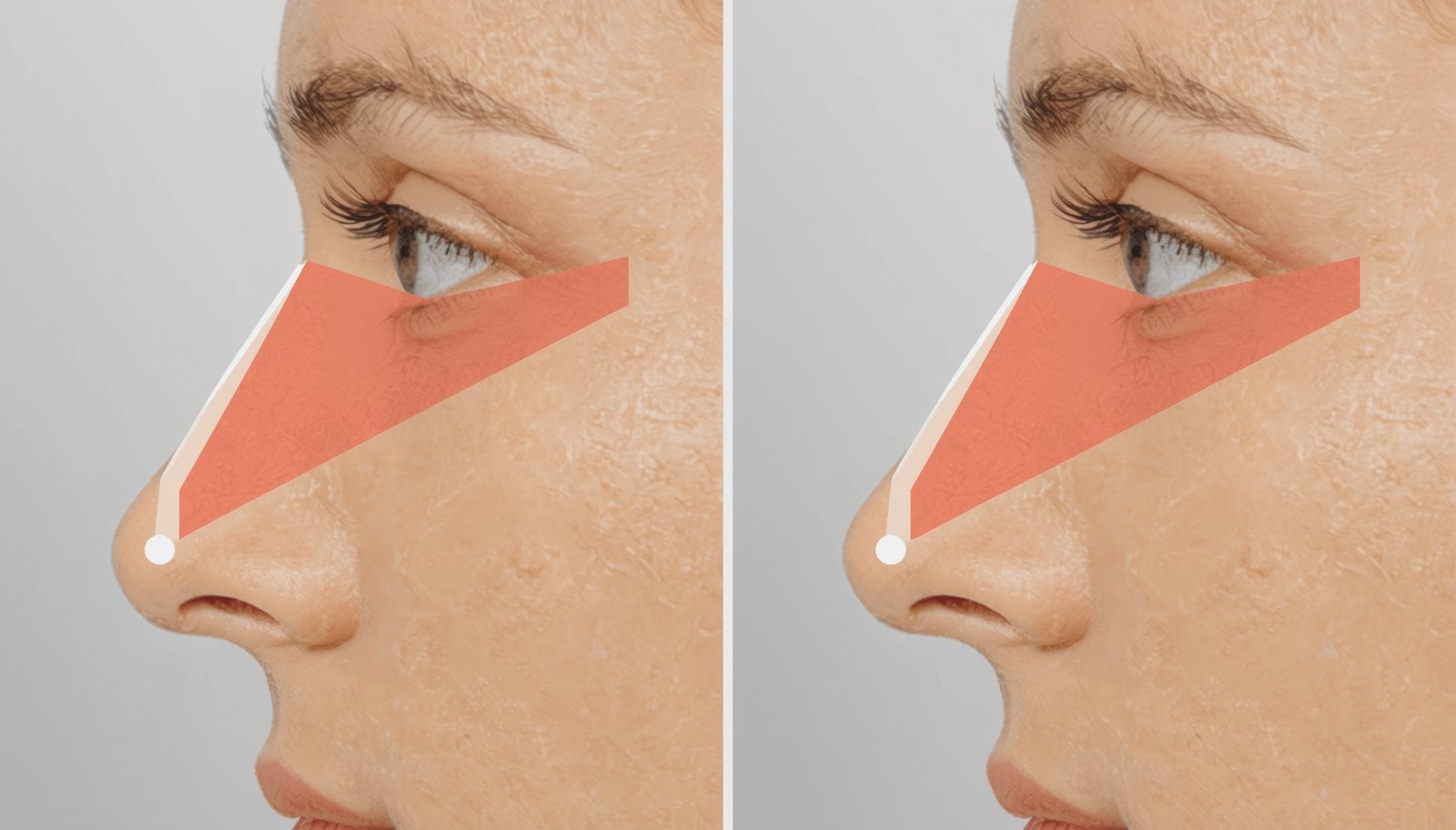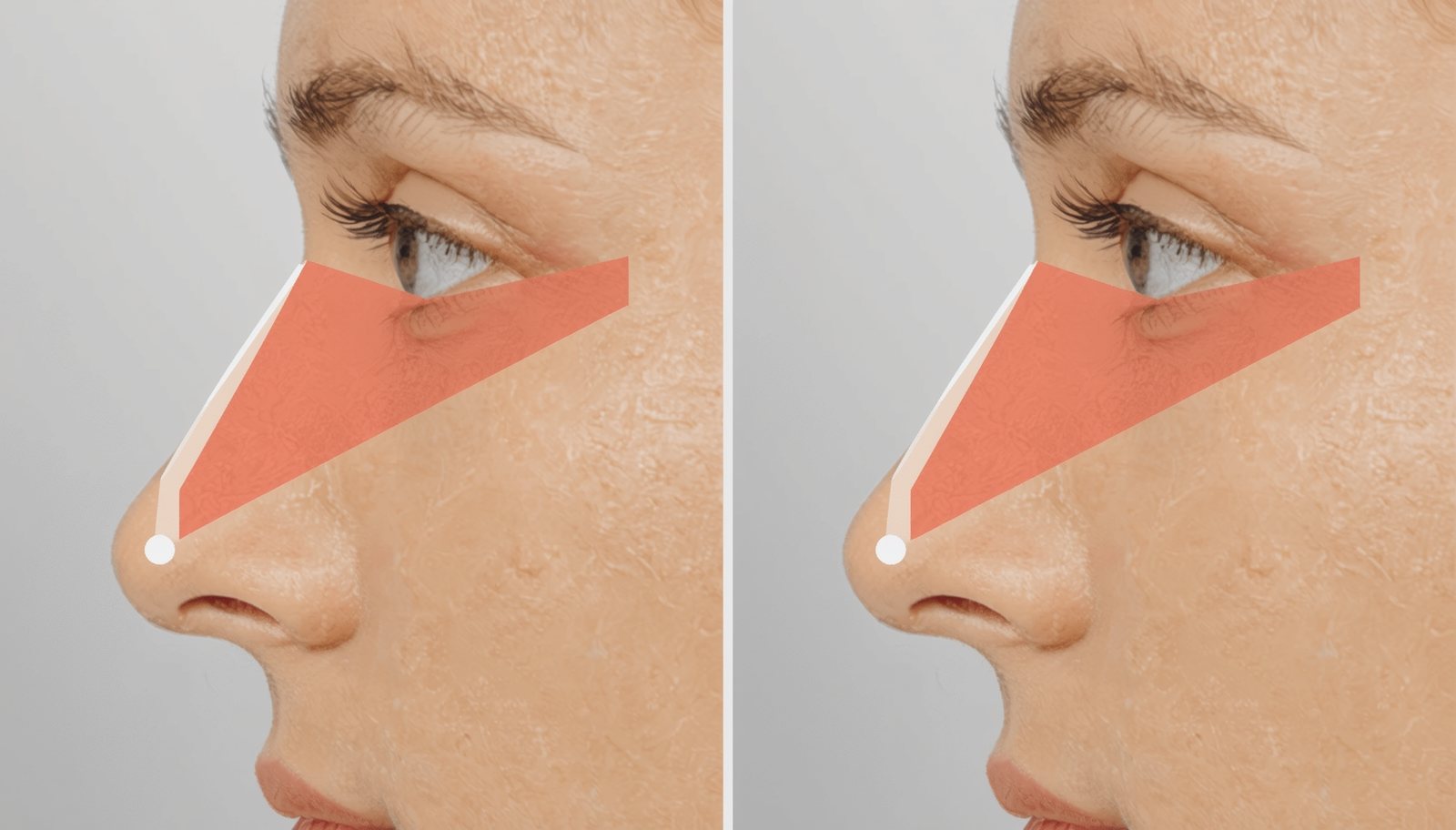

Because the nose sits at the center of the face, even subtle changes in its shape can deeply influence how people perceive themselves and how they believe others see them.[web:18][web:19] For many candidates, the promise of higher self-confidence is the main reason they consider rhinoplasty in the first place.
Research on cosmetic surgery outcomes suggests that rhinoplasty can improve body image, appearance satisfaction, and perceived social acceptance for many appropriately selected patients.[web:11][web:18][web:26] However, the psychological impact of change is complex: confidence does not automatically rise with every millimeter of correction, and some patients need time and support to integrate their new appearance into their identity.[web:24][web:28]
How Appearance Changes Affect Psychology
Several studies have shown that people who undergo rhinoplasty often report feeling more attractive, successful, and socially accepted when independent observers rate their post-operative photos.[web:18][web:26] This external validation can reinforce internal shifts in self-esteem, making it easier to participate in social activities or professional opportunities that previously felt intimidating.
At the same time, cosmetic surgery does not erase all insecurities. If broader self-esteem issues, perfectionism, or mental health conditions such as anxiety or depression are present beforehand, they may continue to influence how the person feels, even after physical concerns are improved.[web:14][web:17] This is why psychological screening and realistic goal-setting are essential before surgery.
Immediate vs. Long-Term Confidence Changes
Immediately after surgery, many patients experience a blend of excitement and uncertainty. Swelling, dressings, and temporary asymmetries can make it hard to see the final result, and some report a short period of regret or disappointment known as the postoperative blues.[web:24] This phase generally resolves as healing progresses and the nose gradually takes its final shape over several months.
Long-term research following cosmetic surgery patients for years suggests that, when carefully selected and well-prepared, most individuals show sustained improvements in appearance satisfaction and modest increases in self-esteem.[web:28] These benefits are strongest in patients without significant preoperative psychiatric disorders and in those whose expectations were aligned with what surgery could realistically achieve.[web:11][web:28]
Social Perception and Everyday Interactions
Because the face plays a major role in first impressions, small refinements in nasal shape can subtly influence how others respond, even when they are not consciously aware of the change. Experimental studies have found that post-rhinoplasty faces are often rated by strangers as more attractive, more successful, and even healthier than preoperative images.[web:18][web:26]
For the patient, this can translate into more ease during conversations, less worry about being judged, and greater willingness to be photographed or appear on video. However, it is important to remember that not everyone in your social circle will comment on or even notice the change – and this can actually be reassuring. Often, the greatest shift occurs in how you feel about yourself, not in how loudly others react.
Identity Adaptation and The New You
Adjusting to a new facial profile can be surprisingly emotional. Patients sometimes describe a sense of unfamiliarity when they first see their refined nose, even when they like it.[web:24][web:30] This reaction is normal: your brain has spent years mapping a particular facial image, and updating that internal map takes time.
Identity adaptation involves integrating the new appearance into your ongoing story about who you are. Journaling, gradual exposure to photos, and taking time to observe your face in different lighting and expressions can help the change feel more natural. Supportive feedback from trusted people can also speed up this integration, especially when it focuses on the whole person rather than just the nose.
When Confidence Does Not Improve
Not every rhinoplasty leads to greater confidence. Research on body dysmorphic disorder shows that patients with severe, untreated BDD often remain dissatisfied or quickly shift their focus to another perceived defect, even when the surgical result is technically excellent.[web:23][web:27][web:31] Others may struggle if they overestimated how much surgery would change their relationships, career, or general happiness.
Warning signs that psychological help might be needed include persistent obsession with minor imperfections, frequent mirror-checking, continuous requests for revision surgery, or worsening depression or anxiety after the expected healing period. In these cases, cognitive behavioural therapy and, when appropriate, medication have stronger evidence for improving well-being than additional cosmetic procedures.[web:27][web:31]
Building Lasting Self-Confidence
Rhinoplasty can be a powerful catalyst for self-confidence, but it works best as part of a broader, holistic approach to mental health. Practices such as self-compassion, realistic self-talk, balanced social media use, and healthy lifestyle habits all contribute to stable, long-term confidence.[web:16][web:17]
Platforms like Nose Journey aim to match you with surgeons who recognize the psychological side of rhinoplasty and who collaborate with mental health professionals when needed. By choosing a team that sees you as a whole person – not just a nose – you maximize the chances that your external transformation will support an equally meaningful inner one.