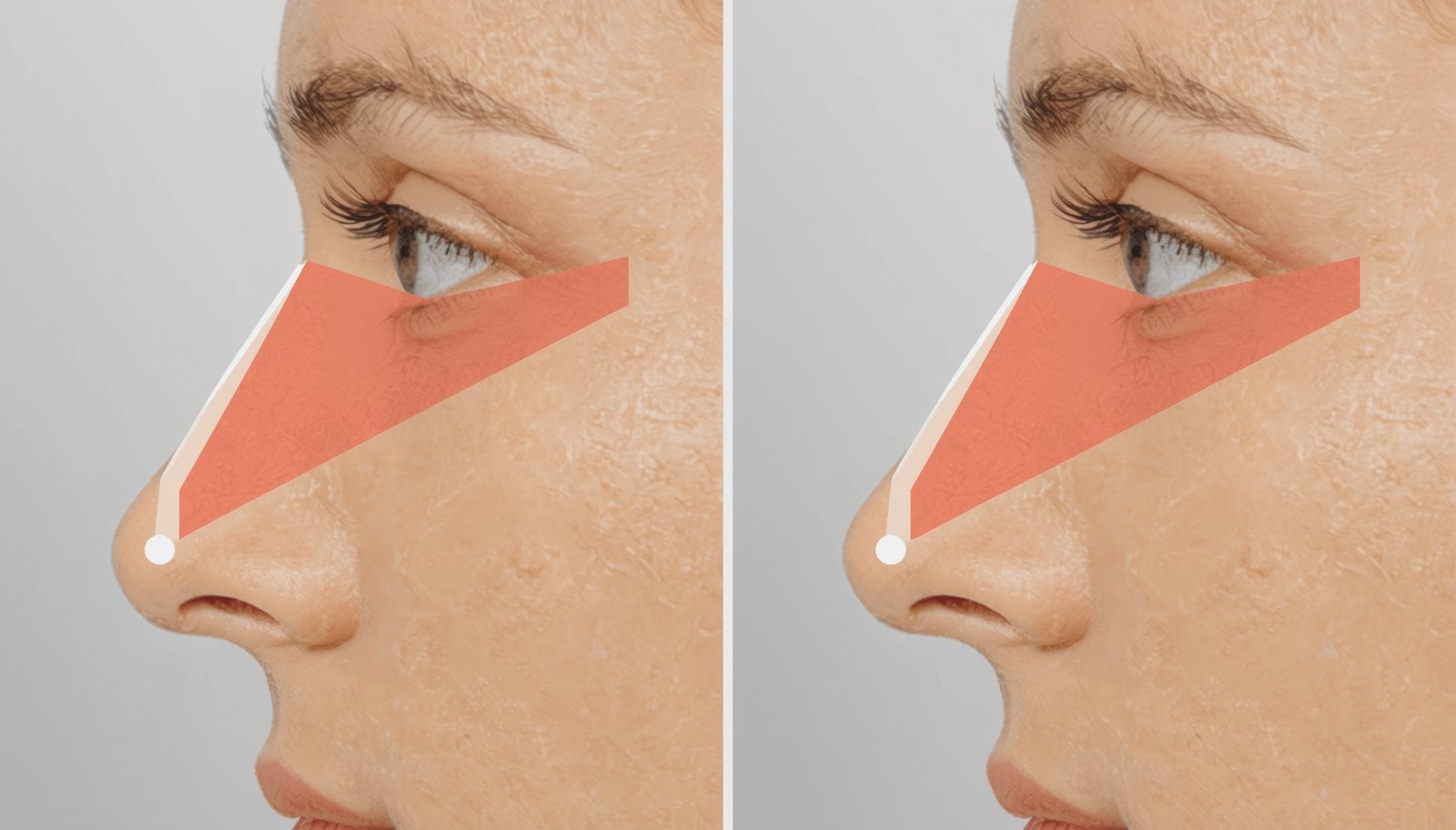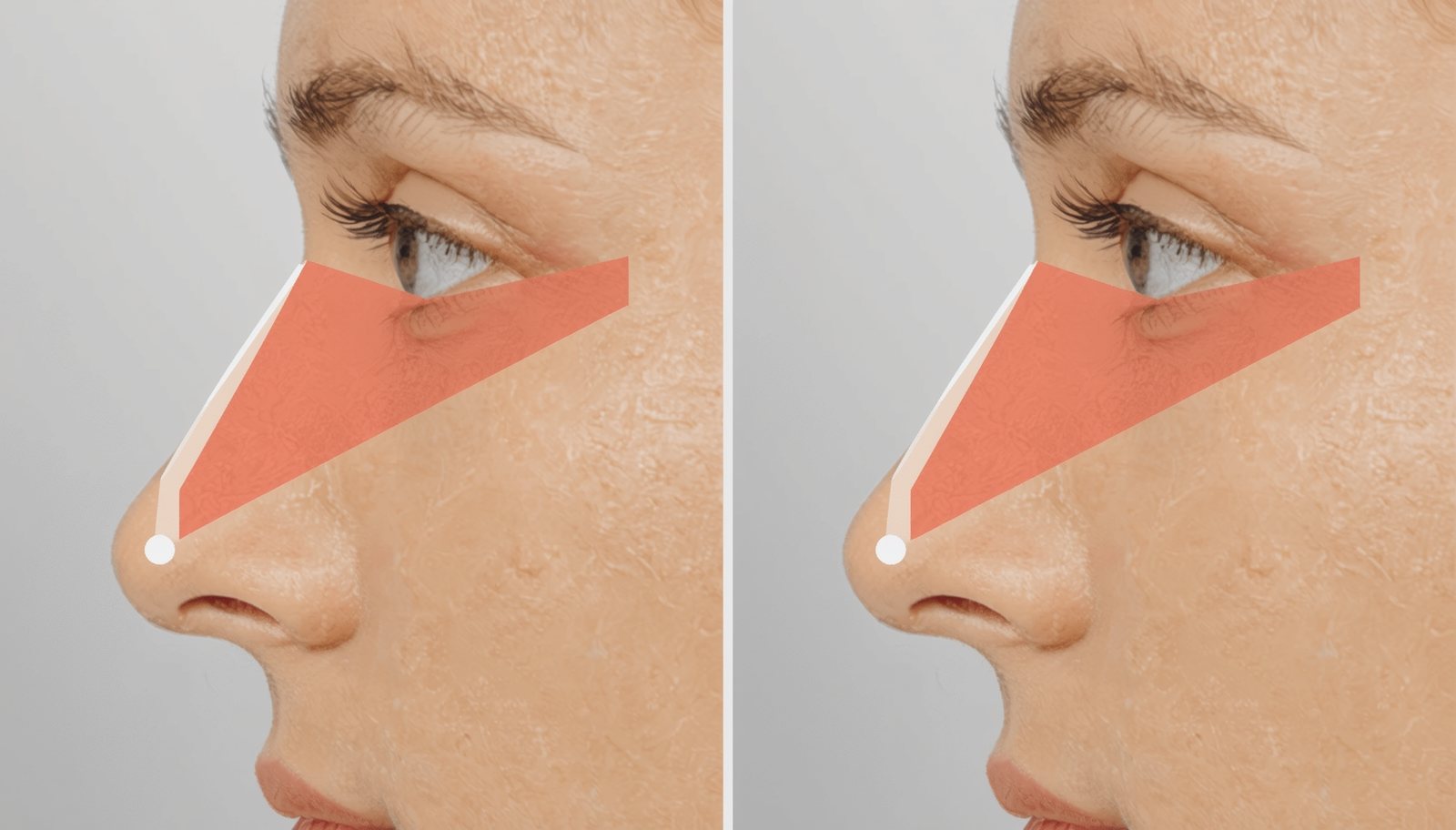

Nasal trauma is one of the most common facial injuries and can result from falls, sports accidents, assaults, or traffic collisions.[web:31] Beyond visible deformity, trauma may cause septal deviation, valve collapse, or cartilage fractures that significantly impair breathing. Post-trauma nasal reconstruction focuses on restoring both function and aesthetics so the nose works well and looks natural again.
Types Of Nasal Trauma
Trauma to the nose can range from simple nasal bone fractures to complex crush injuries involving cartilage, bone, and skin. Isolated nasal fractures may cause a crooked bridge, a depressed nasal dorsum, or widening of the nasal base.[web:31] More severe injuries can involve septal hematoma, septal perforation, loss of structural support, or open wounds that threaten skin viability.[web:24][web:30]
In some cases, trauma occurs in a nose that has already undergone rhinoplasty, making the anatomy more fragile and reconstruction more challenging.[web:25][web:28] Early assessment by a surgeon experienced in both trauma and rhinoplasty is therefore important.
Acute Versus Delayed (Chronic) Reconstruction
Initial treatment decisions depend on timing. In the acute phase—typically within the first two weeks—closed reduction of nasal fractures or drainage of septal hematomas may restore alignment and protect cartilage.[web:24][web:30] When injuries are missed or inadequately treated, patients may later present with persistent deformity, obstruction, or collapse requiring formal reconstructive septorhinoplasty months or years after the event.[web:31]
Delaying complex reconstruction until swelling subsides and tissues stabilize often leads to more predictable results, especially when grafting and detailed reshaping are required.[web:11][web:31] A specialist will help determine whether early intervention, staged surgery, or a single delayed operation is best for your specific trauma pattern.
Restoring Nasal Function
Functional restoration is a primary goal in trauma-related nasal surgery. Surgeons address septal deviations, internal or external nasal valve collapse, turbinate problems, and any scarring that narrows the airway.[web:31] Techniques may include septoplasty, spreader grafts, batten grafts, or reconstruction of collapsed sidewalls using cartilage from the septum, ear, or rib.[web:31][web:25]
Because post-trauma noses often have multiple sites of obstruction, detailed nasal analysis and sometimes objective airflow testing are used to plan surgery.[web:31] Successful reconstruction should leave the patient breathing comfortably at rest and during exercise, not just looking straighter in photos.
Aesthetic Refinement After Trauma
Once structural support and airway function are secured, attention turns to aesthetic refinement. Common goals include straightening a crooked nose, rebuilding a flattened dorsum, correcting tip asymmetry, and blending scars into natural facial lines.[web:31][web:28] Advanced rhinoplasty techniques such as preservation or structural approaches, precise osteotomies, and tip grafting are adapted to the post-traumatic setting.
Patients should understand that achieving perfect symmetry is rarely possible after significant trauma, especially when tissues have been lost or heavily scarred.[web:28] However, with realistic expectations and expert planning, most people can expect dramatic improvement in both profile and front-view appearance.
A Multidisciplinary Approach
Complex traumatic deformities sometimes require a team approach, involving ENT surgeons, plastic surgeons, maxillofacial surgeons, and dermatologic or oculoplastic specialists when adjacent structures like the orbit or facial skin are involved.[web:28][web:31] This collaboration allows simultaneous correction of fractures, soft-tissue defects, and airway issues in a coordinated surgical plan.
Platforms like Nose Journey can help patients with a history of facial trauma connect with surgeons who have dual expertise in trauma reconstruction and aesthetic rhinoplasty. By analyzing your goals, medical history, and trauma pattern, AI-powered matching can suggest the most appropriate specialists instead of leaving you to search blindly online.