Natural Look Rhinoplasty: Achieving Harmony Through Preservation Philosophy
In 2026, the rhinoplasty landscape has undergone a fundamental transformation. Patients no longer seek dramatic alterations that erase their identity—instead, they pursue subtle refinements that enhance natural beauty while preserving ethnic characteristics and individual uniqueness. This shift toward natural-looking results represents not just a trend, but a complete philosophical change in how we approach nasal surgery.
Understanding Natural Preservation Philosophy
Natural preservation rhinoplasty centers on a revolutionary principle: enhancement rather than reconstruction. Unlike traditional approaches that relied heavily on tissue removal and reconstruction, preservation techniques maintain the nose's natural structural integrity while making strategic, minimal adjustments.
The preservation philosophy operates on several core principles:
- Structural Conservation: Maintaining the natural framework of cartilage and bone rather than removing and rebuilding
- Soft Tissue Respect: Minimizing trauma to surrounding tissues to reduce swelling and accelerate healing
- Anatomical Harmony: Creating results that complement your existing facial proportions rather than imposing standardized ideals
- Long-term Stability: Ensuring results remain consistent and natural-looking as tissues mature over time
According to recent studies, preservation rhinoplasty maintains essential ligaments and support structures that protect the nasal airway and prevent collapse over time. This approach creates steady alignment as tissue settles, delivering results that look better with age rather than deteriorating.
The Minimal Intervention Approach
Natural rhinoplasty embraces the less is more philosophy. Instead of aggressive reduction and removal, surgeons focus on precise, strategic adjustments that create subtle definition without announcing surgical intervention.
Key Minimal Intervention Techniques:
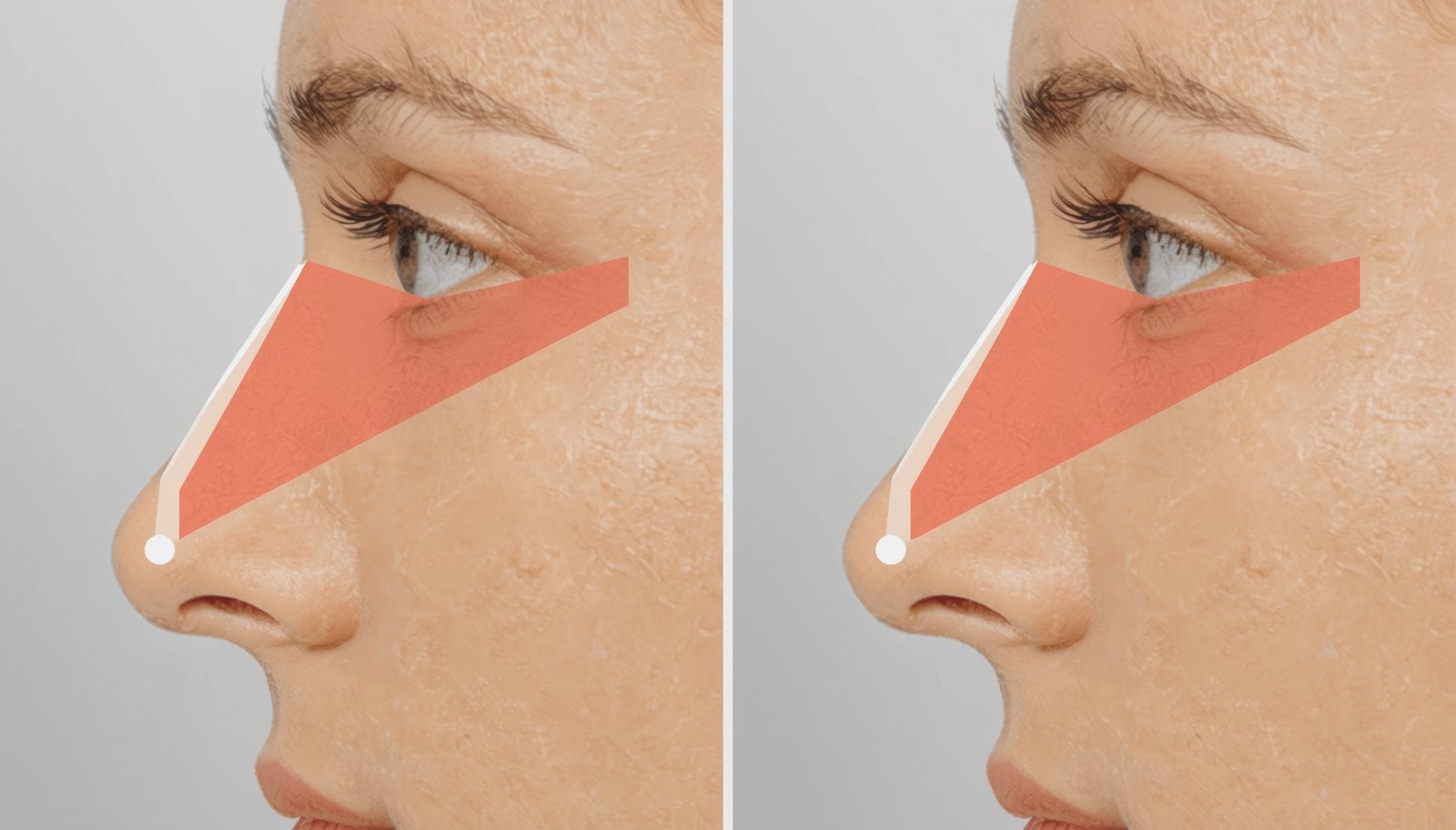
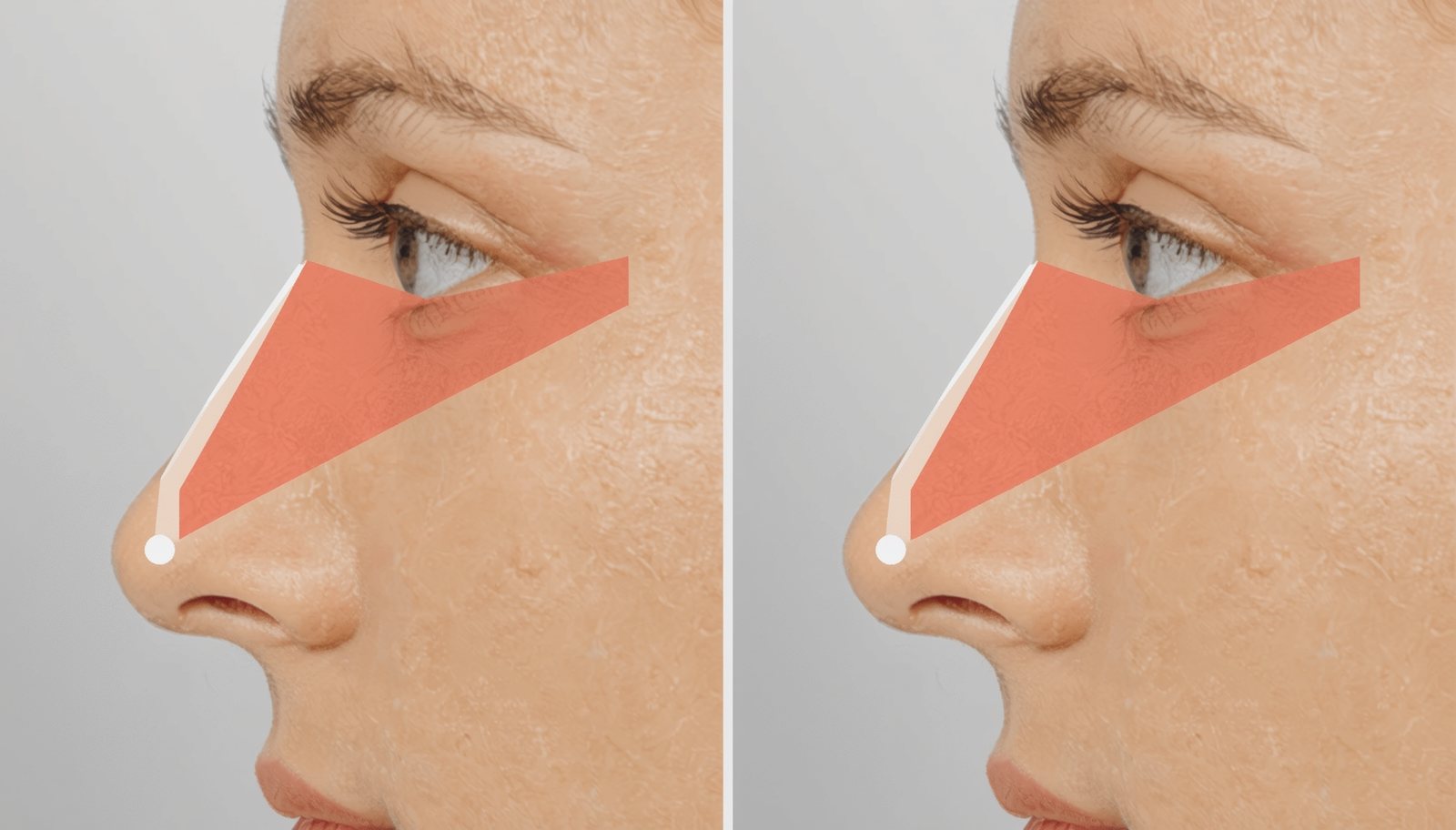
Soft Profile Shaping: Rather than creating sharp angles or dramatic slopes, natural rhinoplasty emphasizes gentle curves that reflect how bone and cartilage naturally behave. The slope is adjusted through minor repositioning rather than aggressive reduction, supporting long-term stability and facial harmony.
Subtle Tip Refinement: Instead of pointed or overly projected tips, the 2026 trend favors smooth, rounded definition. Small structural adjustments using sutures, strategic grafting, and controlled rotation create effective enhancement without narrowing or artificial appearance.
Cartilage Reshaping Over Removal: Modern techniques favor precision suturing to refine tip shape, strategic contouring of existing cartilage, and small grafts to build definition. This conservative approach prevents structural weakness, reduces revision risk, and maintains natural nasal movement.
Preservation of Dorsal Lines: The bridge receives gentle smoothing rather than excessive reduction. Subtle narrowing and balanced contouring support natural contours without exaggeration, integrating seamlessly with forehead and tip lines.
Ethnic Feature Preservation: Celebrating Diversity
One of the most significant evolutions in rhinoplasty is the recognition that beauty exists across all ethnic backgrounds—and that surgical goals should enhance, not erase, ethnic identity.
Culturally Respectful Rhinoplasty Considers:
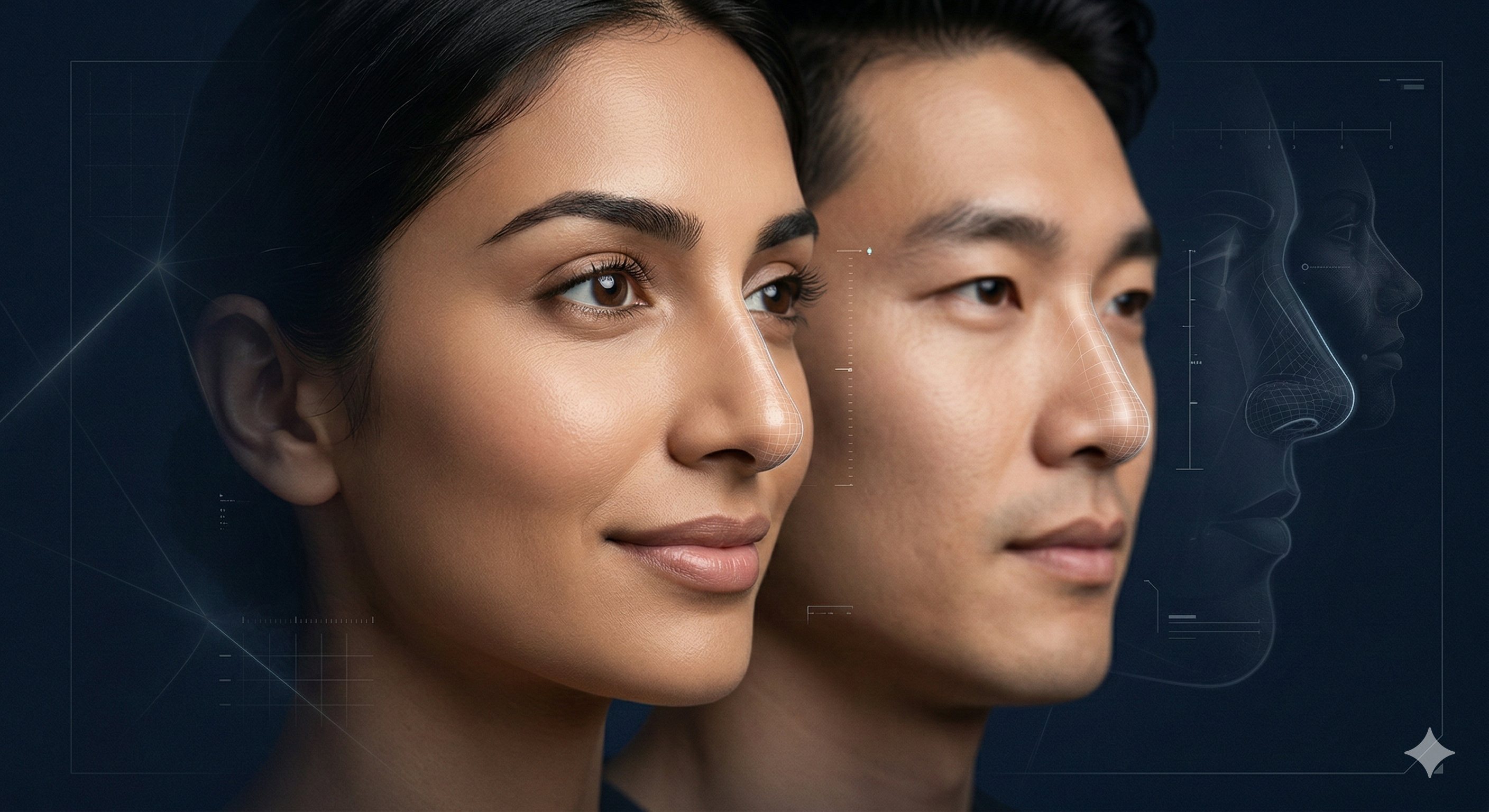
- Bridge Height Variation: Different ethnicities naturally exhibit varying dorsal heights. Natural rhinoplasty respects these variations rather than imposing Western-centric ideals
- Tip Definition Levels: Some ethnic backgrounds feature fuller, wider tips that are aesthetically appropriate and beautiful. Preservation techniques refine without over-narrowing
- Nostril Shape and Alar Base: Natural proportions of the alar base vary significantly across populations. Refinement should maintain cultural authenticity
- Skin Thickness Considerations: Thicker skin, common in certain ethnic groups, requires different surgical strategies that work with—not against—natural anatomy
Research from 2024 analyzing rhinoplasty preferences across Chinese patients highlighted the growing demand for solutions that respect natural anatomy and heritage rather than creating uniform, Westernized results.
Achieving Harmonious, Balanced Results
Natural rhinoplasty recognizes that the nose doesn't exist in isolation—it's one feature among many that together create facial harmony.
Comprehensive Facial Analysis Includes:
- Cheek Projection: How the midface volume relates to nasal prominence
- Jaw Definition: The relationship between jaw width and nasal width
- Smile Dynamics: How the nose moves and appears during different expressions
- Eye Spacing: Proportional relationships that inform ideal nasal width
- Forehead Slope: How the nasal dorsum should transition from the forehead
This individualized planning ensures that your result feels distinctive yet harmonious—a refined version of yourself rather than a borrowed look from someone else.
Natural Rhinoplasty vs. Traditional Approaches: Key Differences
| Aspect | Traditional Rhinoplasty | Natural Preservation Rhinoplasty |
|---|---|---|
| Philosophy | Resection and reconstruction | Preservation and repositioning |
| Tissue Removal | Significant cartilage/bone removal | Minimal removal, strategic reshaping |
| Structural Support | Rebuilt framework | Maintained natural framework |
| Swelling | Moderate to severe | Reduced trauma = less swelling |
| Recovery Time | Longer | Shorter with faster return to normal |
| Long-term Stability | Variable, potential collapse | Enhanced stability with aging |
| Revision Rate | Higher | Lower due to conservative approach |
| Aesthetic Goal | Dramatic transformation | Subtle enhancement |
Celebrity Examples of Natural Rhinoplasty
While we can't confirm specific procedures, several public figures exemplify the natural rhinoplasty aesthetic:
- Jennifer Aniston: Her rhinoplasty, performed primarily for breathing improvement, resulted in subtle refinement that maintained her distinctive features
- Priyanka Chopra Jonas: Despite complications from an early procedure, she advocates for natural results that preserve ethnic identity
- Cameron Diaz: Her functional rhinoplasty following injuries prioritized breathing restoration while maintaining her characteristic look
These examples demonstrate that successful natural rhinoplasty delivers improvement without announcing surgical intervention—the nose simply looks like it always belonged on the face.
The Benefits of Natural Look Rhinoplasty
Aesthetic Advantages:
- No Operated Appearance: Results feel authentic and undetectable
- Better Aging: Natural approaches anticipate how the nose changes over decades
- Preserved Character: Your unique identity remains intact
- Enhanced Facial Balance: Subtle refinement improves proportion without overshadowing other features
Functional Benefits:
- Improved Breathing: When necessary, airway function is addressed simultaneously
- Structural Integrity: Preservation techniques maintain essential support
- Reduced Complications: Less tissue trauma means lower infection and healing complication risks
Psychological Benefits:
- Authentic Confidence: Looking like an elevated version of yourself rather than someone else
- Reduced Regret: Conservative approaches typically produce results patients love long-term
- Social Comfort: No dramatic change means no awkward conversations or recognition issues
Is Natural Rhinoplasty Right for You?
Natural preservation rhinoplasty is ideal if you:
- Want to smooth a dorsal hump without creating an overly scooped profile
- Desire subtle tip refinement while maintaining natural shape
- Seek to correct asymmetry without losing ethnic characteristics
- Want to improve nasal proportions while preserving your identity
- Value long-term structural stability and graceful aging
- Prefer results that look undetectable rather than dramatically transformed
However, if you're seeking dramatic transformation or have specific idealized features in mind (such as extremely small or upturned noses), you may need to recalibrate expectations. Natural rhinoplasty works with your existing anatomy—it doesn't create an entirely different nose.
How AI-Powered Matching Enhances Natural Results
At Nose Journey, our AI-powered surgeon matching platform helps you find specialists who excel in natural preservation techniques. Our technology analyzes:
- Surgeon Philosophy: Identifying practitioners who prioritize natural results
- Portfolio Analysis: Reviewing before/after galleries to assess aesthetic style
- Ethnic Expertise: Matching you with surgeons experienced in your specific ethnic background
- Technical Approach: Evaluating use of preservation vs. traditional methods
This personalized matching ensures you connect with surgeons whose aesthetic philosophy aligns with your goals for natural, harmonious enhancement.
The Future of Natural Rhinoplasty
As we move through 2026, the natural rhinoplasty movement continues strengthening. Emerging technologies support this philosophy:
- Advanced Imaging: 3D simulation helps patients visualize subtle enhancements before surgery
- Ultrasonic Instruments: Enable more precise bone work with less trauma
- AI Planning Tools: Assist surgeons in calculating optimal proportions based on individual facial anatomy
- Biologic Enhancement: Regenerative techniques using patient's own tissues for grafting
Conclusion: Beauty in Authenticity
Natural look rhinoplasty represents the maturation of aesthetic surgery—a recognition that true beauty lies in harmony, proportion, and authenticity rather than standardized ideals. The preservation philosophy honors your unique features while making strategic refinements that enhance without erasing.
Whether you have prominent ethnic features you want to preserve, or you simply desire subtle refinement that looks undetectable, natural rhinoplasty offers a path to confident enhancement that ages gracefully and feels authentically you.
Ready to find a surgeon who specializes in natural preservation techniques? Use Nose Journey's AI-powered matching to connect with experts who understand that the best rhinoplasty is the one no one can detect.