Male Rhinoplasty: Achieving Masculine Refinement
Rhinoplasty is the most popular cosmetic procedure among men, accounting for 18% of all nose surgeries in 2020 (approximately 65,000+ procedures). Yet male rhinoplasty requires fundamentally different aesthetic principles than female rhinoplasty. This comprehensive guide covers everything men need to know about nose surgery: anatomical differences, goals, techniques, recovery, and finding surgeons who understand masculine aesthetics.
Why Rhinoplasty Is Popular Among Men
The Growing Trend
Male cosmetic surgery has grown steadily over the past decade:
- 5-7% annual increase in male rhinoplasty
- Reduced stigma around male cosmetic procedures
- Social media influence increasing appearance awareness
- Competitive advantage in professional and dating environments
- Non-surgical options introducing men to cosmetic enhancement
Common Male Motivations
- Career Advancement: Confidence in competitive fields (law, business, entertainment)
- Trauma Correction: Sports injuries, accidents
- Breathing Problems: Functional concerns (deviated septum)
- Lifelong Dissatisfaction: Finally addressing childhood insecurity
- Facial Balance: Nose seems disproportionate to other features
- Aging Effects: Nose changes with age (drooping tip, larger appearance)
Male vs Female Nasal Anatomy
Understanding anatomical differences is crucial for achieving natural-looking masculine results.
Key Anatomical Differences
| Feature | Male | Female |
|---|---|---|
| Overall Size | Larger, stronger appearance | Smaller, more delicate |
| Nasal Bridge | Straighter, wider, higher | Slight curve acceptable |
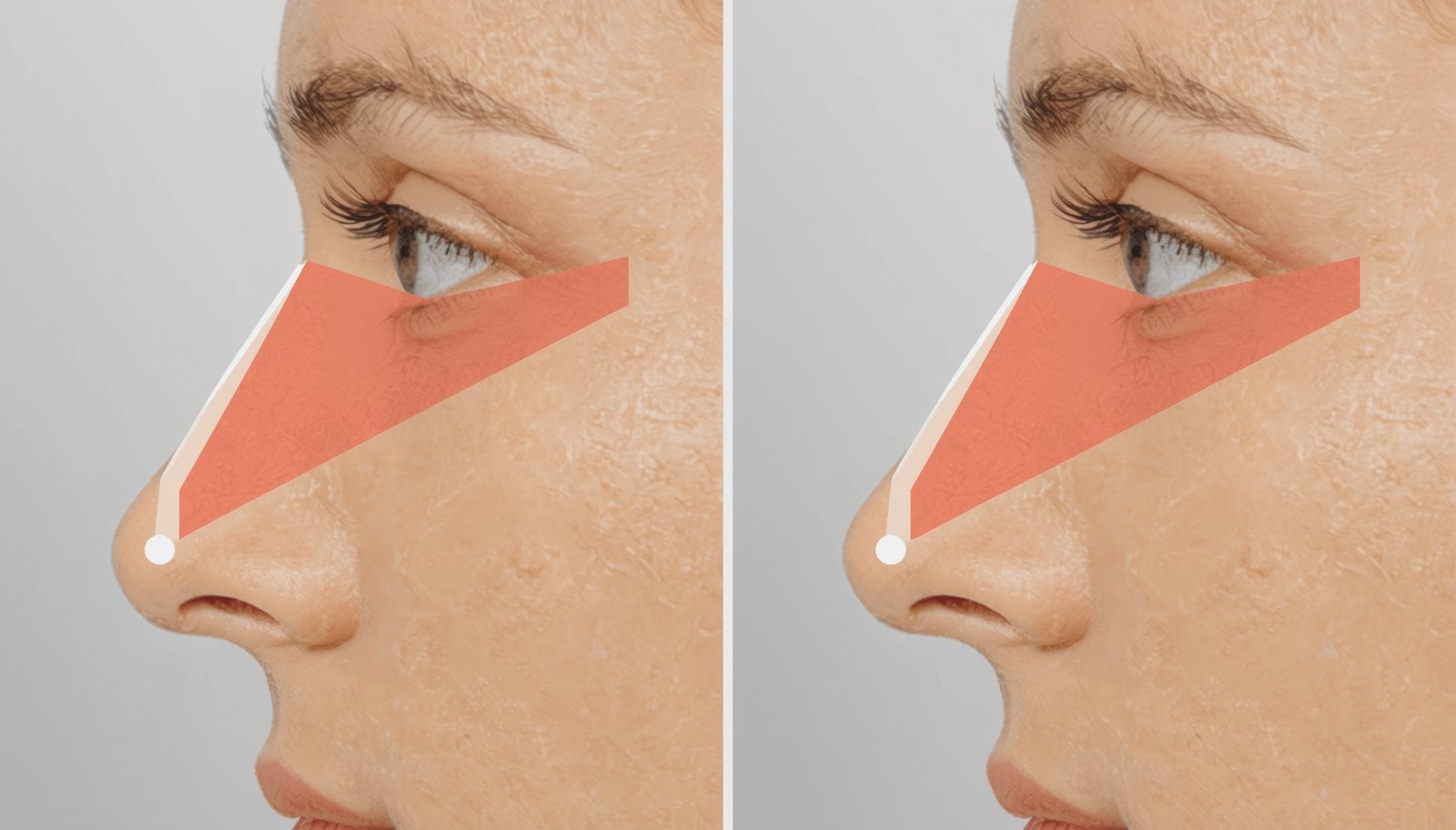
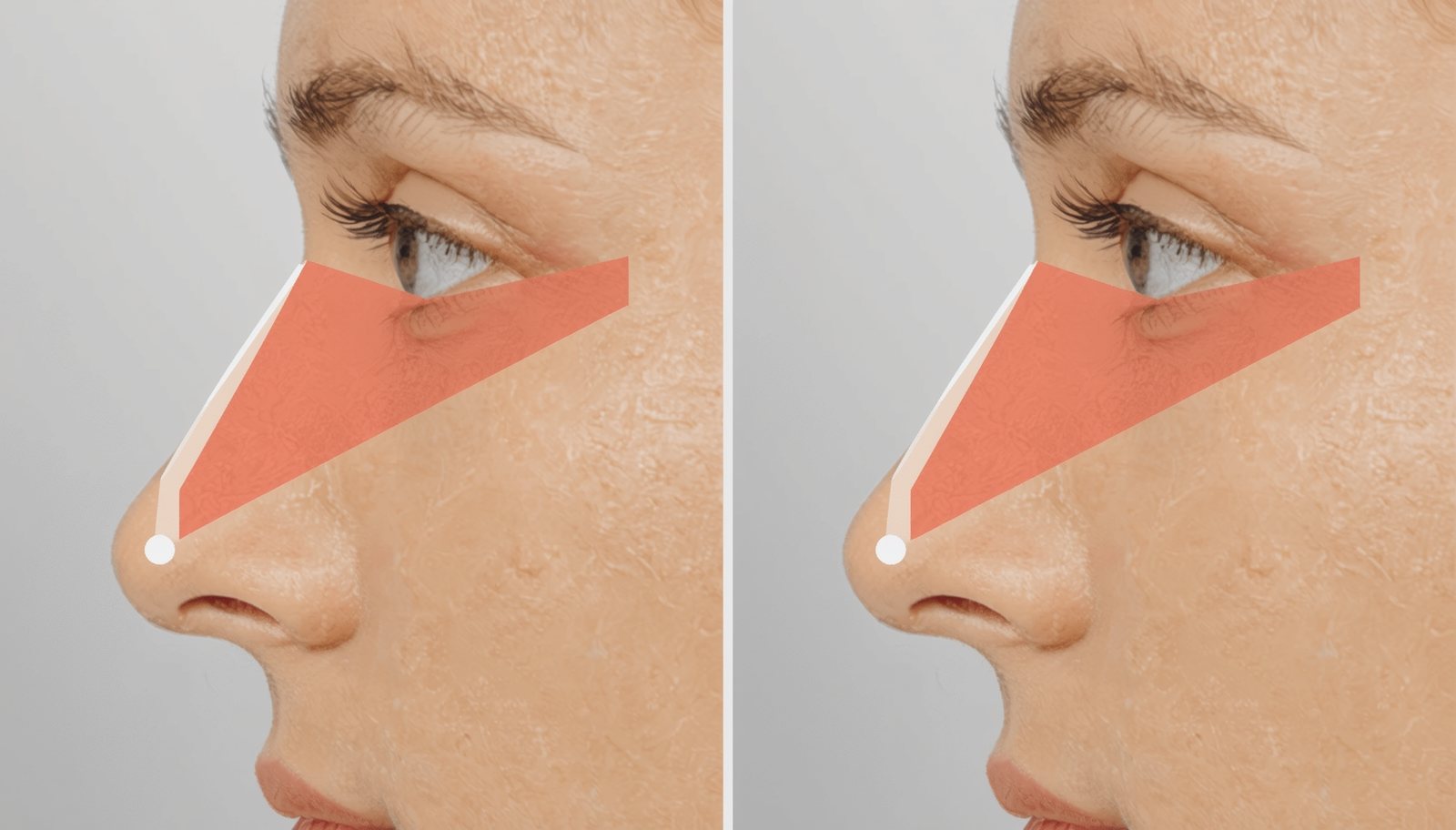
| Nasofrontal Angle | 130-135 degrees (less defined) | 115-130 degrees (more defined) |
| Nasolabial Angle | 90-95 degrees (less rotation) | 95-110 degrees (more rotation) |
| Tip Projection | Moderate to strong, angular | Higher projection acceptable |
| Tip Shape | Squared, less defined | More refined, defined points |
| Tip Rotation | Less upward rotation | More upturned acceptable |
| Bridge Width | Broader, stronger appearance | Narrower, more refined |
| Alar Base | Wider nostrils | Narrower nostrils |
| Overall Profile | Straighter, more angular | Gentler curves acceptable |
Why These Differences Matter
Applying female aesthetic principles to male noses results in feminized, unnatural appearance. An over-refined, overly upturned nose looks out of place on masculine features. Experienced male rhinoplasty surgeons understand these nuances and preserve masculine characteristics while achieving refinement.
Common Male Rhinoplasty Concerns
1. Dorsal Hump (Bridge Bump)
Most Common Male Concern (40-50% of patients)
Characteristics:
- Prominent bump on nasal bridge
- Often hereditary
- May develop or become more prominent with age
- Can be bony, cartilaginous, or both
Male-Specific Approach:
- Preserve Strength: Reduction creates straighter profile without concave feminization
- Maintain Width: Don't over-narrow the bridge
- Angular Profile: Straight line preferred over subtle curves
- Moderate Reduction: Conservative approach maintains masculine appearance
2. Crooked or Deviated Nose
Second Most Common (30-35% of patients)
Causes:
- Trauma: Sports injuries, accidents, fights
- Congenital: Born with asymmetry
- Septal Deviation: Internal structural issue
Male-Specific Approach:
- Often requires open rhinoplasty for access
- Septoplasty typically combined (functional + aesthetic)
- May need cartilage grafts for structural support
- Osteotomies (breaking nasal bones) to realign
3. Bulbous or Undefined Nasal Tip
Third Most Common (20-25% of patients)
Characteristics:
- Round, wide, or poorly defined tip
- Thick skin obscuring cartilage definition
- Tip appears disproportionately large
Male-Specific Approach:
- Avoid Over-Refinement: Maintain masculine tip size and shape
- Angular Definition: Create defined but not pinched appearance
- Minimal Rotation: Keep tip pointed forward/slightly down (not upturned)
- Thick Skin Considerations: Results take longer, may be more subtle
4. Wide Nostrils (Alar Base)
Common in Ethnic Rhinoplasty
Approach:
- Alar base reduction (removing small wedges of tissue)
- Maintaining proportionate width (avoid over-narrowing)
- Scars hidden in natural creases
5. Long Nose
Appears to Elongate Face
Correction:
- Tip rotation (subtle)
- Shortening techniques
- De-projection (reducing tip forward extension)
- Balance with chin augmentation if chin is weak
6. Drooping Nasal Tip
Common with Aging (50+ Years Old)
Causes:
- Weakening of support cartilage
- Gravity effects
- Loss of skin elasticity
Correction:
- Tip rotation with cartilage grafts
- Structural support grafts (strut grafts)
- Conservative rotation (maintain masculine angle)
Goals of Male Rhinoplasty
Primary Objectives
- Maintain Masculinity: Preserve strong, angular features
- Facial Harmony: Nose proportionate to face
- Natural Appearance: Avoid operated look
- Functional Improvement: Optimize breathing
- Subtle Enhancement: Refinement without dramatic change
What NOT to Do
- ❌ Over-rotate tip (creates upturned, feminine nose)
- ❌ Over-refine tip (pinched appearance)
- ❌ Over-narrow bridge (weak, feminine profile)
- ❌ Create scooped profile (concave bridge looks feminine)
- ❌ Make nose too small (disproportionate to masculine face)
Male Rhinoplasty Techniques
Open vs Closed Rhinoplasty
Open Rhinoplasty (More Common for Men):
- Better for post-traumatic cases (common in men)
- Allows precise tip work
- Ideal for complex corrections
- Small external scar (typically heals well on men)
Closed Rhinoplasty:
- Suitable for simpler cases (dorsal hump only)
- No external scar
- Faster initial recovery
Common Male Techniques
1. Dorsal Hump Reduction
- Rasping or osteotome to shave bone/cartilage
- Conservative approach maintains strength
- Often combined with osteotomies to narrow width
2. Tip Refinement
- Cartilage trimming (conservative)
- Suture techniques for definition
- Maintain angular, masculine shape
3. Septoplasty (Functional)
- Straightens deviated septum
- Improves breathing
- Often combined with cosmetic work
4. Osteotomies
- Breaking nasal bones to straighten or narrow
- Common after trauma
- Requires protective splint
5. Cartilage Grafting
- Structural support (especially post-trauma)
- Tip definition
- Bridge augmentation (less common in Caucasian men)
Male Rhinoplasty Recovery
General Timeline (Similar to Female)
- Day 1-3: Peak swelling, discomfort
- Day 7: Splint removal
- Week 2: Return to work (non-physical jobs)
- Week 4: Resume light exercise
- Week 6-8: Resume all activities including contact sports (with protection)
- Month 3: 80% healed
- Month 12: Final results
Male-Specific Recovery Considerations
1. Stubble and Shaving
- Pre-Op: Shave morning of surgery
- First Week: Avoid shaving upper lip area (incision site for open rhinoplasty)
- Week 2+: Gentle shaving permitted
- Electric Razor: Safer than blade initially
2. Physical Activity
- Gym/Weightlifting: Wait 4 weeks minimum
- Running: 3-4 weeks (keep heart rate moderate)
- Contact Sports: 6-12 months with protection
- Swimming: 4-6 weeks
Men often struggle more with activity restrictions due to active lifestyles and gym routines.
3. Sun Exposure
- First 6 Months: Critical sun protection period
- SPF 50+: Mandatory when outdoors
- Hat: Wide-brimmed recommended
Men typically less accustomed to daily sunscreen—but it's crucial for preventing prolonged swelling and hyperpigmentation.
4. Glasses
- 4-6 Weeks: Cannot rest on bridge
- Alternatives: Tape to forehead, contact lenses
5. Social Concerns
- Bruising: Men can't use makeup to cover (generally lighter bruising than women anyway)
- Swelling: May feel more self-conscious about visible signs
- Work: Many men prefer working from home first 2 weeks
Costs for Male Rhinoplasty
United States
- Average: $8,000 - $15,000
- Post-Traumatic Reconstruction: Often partially covered by insurance
- Septorhinoplasty: Functional portion (septoplasty) may be covered
Turkey
- Average: $2,500 - $7,500
- All-Inclusive Packages: $3,500 - $5,500
Factors Affecting Male Rhinoplasty Cost
- Trauma Cases: More complex = higher cost
- Thick Skin: Requires more advanced techniques
- Revision Surgery: 30-50% higher than primary
- Combined Procedures: Chin augmentation often recommended (+$2,000-4,000)
Finding the Right Surgeon for Male Rhinoplasty
Essential Qualifications
- Significant Male Patient Population: At least 30-40% of rhinoplasty patients should be male
- Understanding of Masculine Aesthetics: Portfolio shows preservation of masculine features
- Experience with Trauma: Many male patients have injury history
- Before/After Gallery: Specific male rhinoplasty results
- Board Certification: Facial plastic surgery or otolaryngology
Red Flags
- ❌ Portfolio shows overly refined, feminine-looking male noses
- ❌ Suggests same approach as female rhinoplasty
- ❌ Doesn't discuss preserving masculine characteristics
- ❌ Pushes for dramatic changes
- ❌ No male patients in before/after gallery
Questions to Ask
- What percentage of your rhinoplasty patients are male?
- Can I see before/after photos of male patients with noses similar to mine?
- How do you maintain masculine features during surgery?
- What's your approach to male tip work specifically?
- Do you commonly treat post-traumatic nasal deformities?
- What angle measurements do you target for male patients vs female?
AI-Powered Matching Advantage
Our platform specifically filters for surgeons with:
- Male rhinoplasty specialization
- Verified before/after galleries of male patients
- Understanding of masculine aesthetic principles
- Experience with common male concerns (trauma, functional issues)
This eliminates surgeons who primarily work on female patients and may not understand male-specific needs.
Common Male Concerns About Rhinoplasty
Will I Look Feminine?
No, if you choose the right surgeon. Experienced male rhinoplasty specialists understand:
- Masculine angle measurements
- Importance of strength and angularity
- Avoiding over-refinement
- Maintaining proportionate size
Will People Know I Had Surgery?
Not if done well. Goals of male rhinoplasty are:
- Natural appearance
- Subtle enhancement
- People notice you look better but can't pinpoint why
- You look rested/healthy comments (not did you get a nose job?)
Is It Acceptable for Men to Get Rhinoplasty?
Absolutely. Rhinoplasty is the #1 cosmetic procedure among men. Attitudes have shifted dramatically:
- No stigma in most circles
- Men prioritize self-improvement
- Professional advantage in competitive fields
- Personal confidence matters
How Do I Explain Time Off Work?
Options:
- Be honest (increasingly common and accepted)
- Sinus surgery (technically true if septoplasty included)
- Medical procedure
- Time surgery during vacation or holidays
- Work remotely first 2 weeks if possible
Will My Breathing Improve?
Often yes, especially if:
- Deviated septum is corrected (septoplasty)
- Turbinates are addressed
- Nasal valve issues are repaired
Many men discover breathing problems they didn't realize existed after surgery improves airflow.
Male Rhinoplasty by Age
Young Men (18-30)
Common Reasons: Lifelong insecurity, bullying history, career start, dating confidence
Advantages: Fastest healing, decades to enjoy results
Considerations: Financial constraints, ensure decision is personal (not peer pressure)
Mid-Career Men (30-50)
Common Reasons: Professional advancement, finally addressing dissatisfaction, post-divorce transformation
Advantages: Financial stability, informed decision-making, life experience
Considerations: Slightly slower healing, but outcomes excellent
Mature Men (50+)
Common Reasons: Aging effects (drooping tip), breathing worsening, facial rejuvenation
Advantages: Often combined with other procedures (facelift, brow lift), quality of life improvement
Considerations: Health screening important, skin less elastic (still good results)
Ethnic Considerations for Male Rhinoplasty
African-American Men
- Preserve ethnic identity
- Augmentation more common than reduction
- Wider alar base acceptable
- Thicker skin requires patience (18-month healing)
Asian Men
- Bridge augmentation common goal
- Tip projection enhancement
- Maintain harmony with other facial features
Middle Eastern Men
- Dorsal hump reduction very common
- Maintain strong masculine profile
- Avoid over-refinement (preserve ethnic characteristics)
Hispanic/Latino Men
- Variable features depending on heritage
- Often thick skin (longer healing)
- Preserve ethnic harmony
Combining Procedures: Comprehensive Facial Masculinization
Many men benefit from combining rhinoplasty with other procedures:
Common Combinations
- Chin Augmentation: Balances weak chin with prominent nose ($2,000-4,000 additional)
- Jaw Contouring: Enhances masculine jawline
- Neck Liposuction: Defines neck and jawline
- Facelift: Comprehensive facial rejuvenation (older patients)
Advantages:
- Single recovery period
- Comprehensive facial harmony
- Cost savings (one anesthesia/facility fee)
Success Stories: What Men Say
Common Post-Op Feedback:
- Wish I'd done it years ago
- Breathing is incredible—didn't realize I had problem
- Confidence boost in professional life
- People say I look better but can't tell why
- No regrets—best decision for myself
Conclusion: Rhinoplasty for Men
Male rhinoplasty is a safe, effective way to enhance facial aesthetics while maintaining masculine features. Success depends on:
- Choosing surgeon experienced with male patients
- Clear communication about preserving masculinity
- Realistic expectations
- Commitment to recovery
- Personal motivation (not external pressure)
With the right surgeon—found through AI-powered matching platforms that filter for male rhinoplasty specialists—you can achieve natural-looking, confidence-boosting results that enhance your best features without compromising your masculine appearance.
Your nose should fit your face, not a feminine ideal. Find a surgeon who understands that.