
Understanding the Dorsal Hump
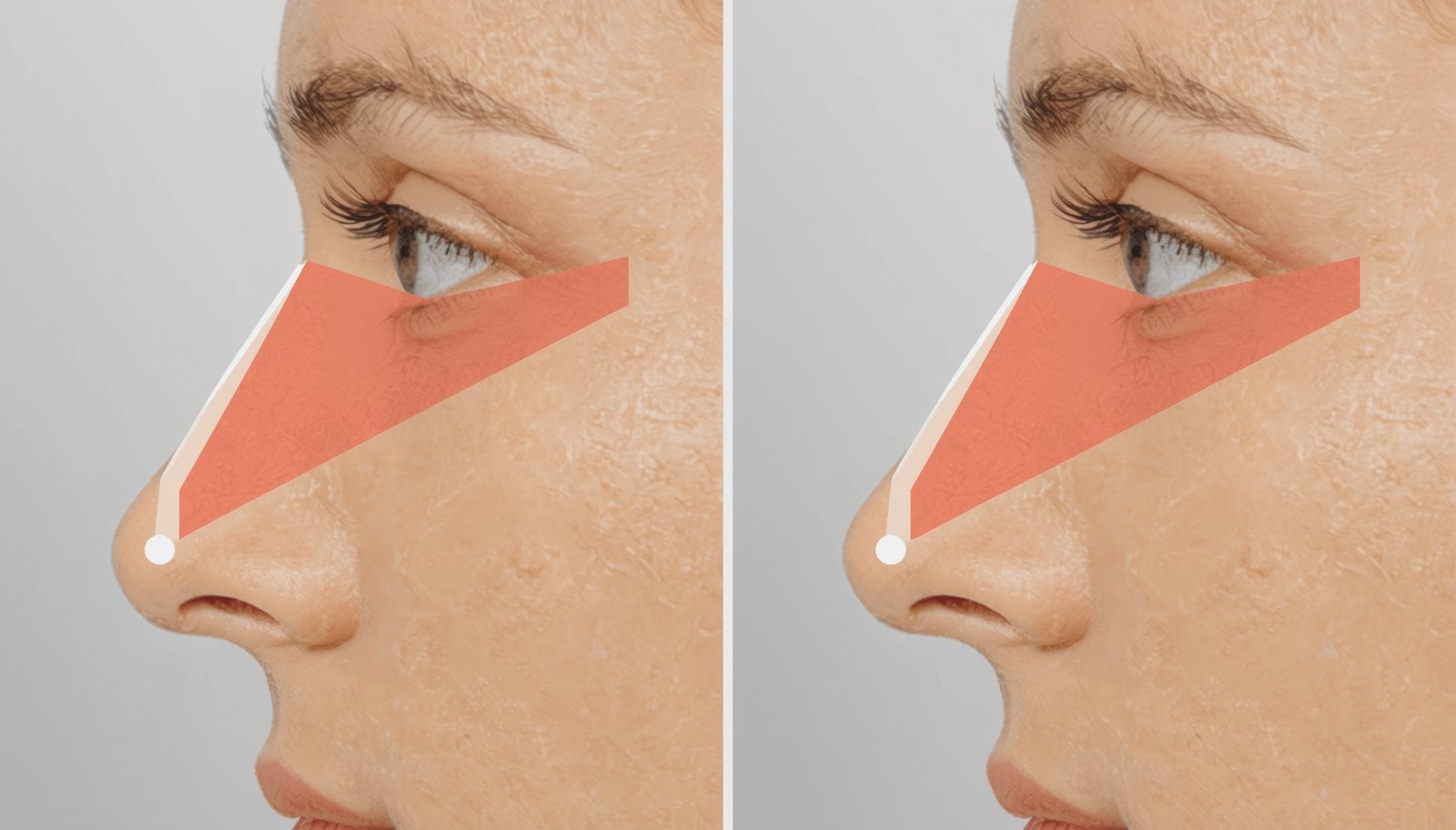
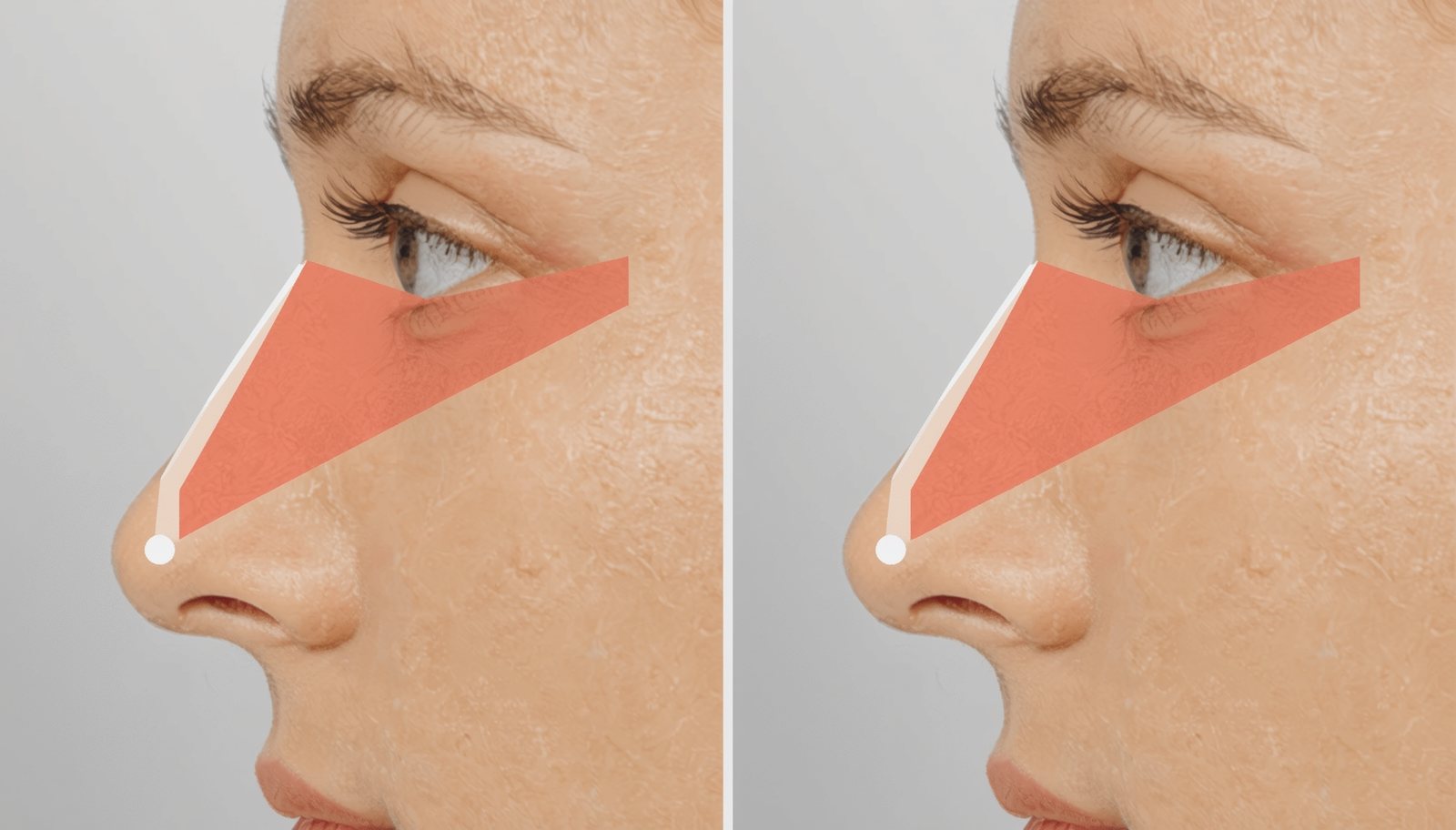
A dorsal hump, medically termed kyphosis or nasal convexity, represents one of the most common concerns bringing patients to rhinoplasty surgeons. This prominence along the nasal bridge creates a convex profile rather than the straight or slightly concave line many prefer. While dorsal humps occur in all populations, they're particularly common in Mediterranean, Middle Eastern, and Persian ethnic groups, where they often represent hereditary family traits passed through generations.
The hump comprises both bone (the bony dorsum in the upper third of the nose) and cartilage (the cartilaginous septum and upper lateral cartilages in the middle third). This composite structure requires addressing both components to achieve smooth, natural correction. The relative proportion of bone versus cartilage varies—some humps are primarily bony with minimal cartilage component, while others feature substantial cartilaginous prominence extending down toward the tip.
Dorsal humps develop for multiple reasons: hereditary predisposition creating naturally prominent nasal bones and septum, post-traumatic deformity following nasal fracture, developmental factors during adolescent growth, and occasionally over-projection of the radix (nasal root) creating the appearance of a hump even when the dorsum itself is straight. Understanding the specific anatomy and cause of your hump guides appropriate surgical correction.
The Traditional Resection Approach
For decades, dorsal hump reduction followed a standardized approach: resect (remove) the prominent bone and cartilage to create a straight or slightly concave profile. This component dorsal hump reduction technique involves several systematic steps that have proven reliable and effective in millions of rhinoplasty procedures worldwide.
The procedure begins with separation of the upper lateral cartilages from the dorsal septum, creating space to access the hump. The cartilaginous hump—the anterior septal angle and attached upper lateral cartilages—is then removed with a sharp blade or special osteotome (bone-cutting instrument) in a single through-and-through cut. This removes all three layers (septum and both upper lateral cartilages) simultaneously, ensuring symmetric reduction.
Next, the bony hump is addressed using a rasp (a file-like instrument), osteotome, or powered instrumentation like a high-speed burr. The surgeon carefully removes bone along the entire bony dorsum from the nasion (where nose meets forehead) to the rhinion (where bone transitions to cartilage), creating a smooth contour that blends with the cartilaginous reduction already performed.
This resection creates an open roof deformity—the nasal bones now form a flat top rather than the natural peaked shape, making the nose appear wide from the front. To correct this, surgeons perform lateral and medial osteotomies (controlled fractures) of the nasal bones, mobilizing them so they can be repositioned closer together, closing the open roof and narrowing the bony width to appropriate proportions.
The advantages of traditional resection include predictable, consistent results across diverse patients, well-established techniques with decades of refinement, ability to achieve significant profile reduction when needed, and straightforward revision if adjustment is required. However, this approach has limitations: it disrupts the natural anatomical relationships and attachments, requires osteotomies with associated swelling and bruising, may destabilize the middle vault risking breathing problems, and can create an overly narrow or operated appearance if not executed carefully.
The Preservation Revolution
Over the past decade, preservation rhinoplasty has transformed dorsal hump management, particularly in Europe and increasingly in North America. Rather than removing the hump, preservation techniques maintain the entire osseocartilaginous vault intact while lowering it as a complete unit. This approach preserves natural anatomical relationships, ligamentous attachments, and structural continuity, theoretically producing more natural, stable long-term results.
The philosophy underlying preservation rhinoplasty recognizes that the nasal dorsum evolved as an integrated structural and aesthetic unit. The bone, cartilage, ligaments, and overlying soft tissue work together to provide support, maintain shape, and facilitate healing. By preserving these natural relationships rather than disassembling and reconstructing them, preservation techniques may produce outcomes that look less operated, maintain better function, and remain more stable as patients age.
Let-down technique: The entire dorsal vault is separated from underlying structures (septum) and lowered as a unit, reducing profile height while maintaining dorsal integrity. This works well for moderate humps where significant reduction isn't required.
Push-down technique: The hump is maintained intact but pushed inferiorly by removing supporting structures (ethmoid bone, dorsal septum) from below. The entire nasal roof descends as a unit, reducing profile height without cutting the dorsum from above. This technique particularly suits patients with straight dorsum but high radix creating apparent hump.
Dorsal preservation with subdorsal reduction: The visible dorsal aesthetic lines are maintained while structure is removed from beneath, creating the illusion of hump reduction while preserving surface contours. This hybrid approach combines preservation principles with ability to achieve more dramatic reduction when needed.
The advantages of preservation approaches include maintained anatomical relationships and ligamentous attachments, typically less postoperative swelling and bruising, no open roof deformity requiring osteotomies (though osteotomies may still be performed for other reasons), potentially better long-term stability and natural appearance, and preserved middle vault width reducing breathing problems. However, preservation has limitations: technical demands requiring significant surgeon expertise and specialized instrumentation, less versatility for complex deformities or significant asymmetry, challenges achieving dramatic reduction when needed, more difficult revision if result is unsatisfactory, and limited applicability in patients with previous nasal trauma or surgery.
Component Reduction: Technical Details
Understanding the technical execution of traditional component reduction helps appreciate the precision required for smooth, natural results. After appropriate exposure (through open or closed approach), the cartilaginous reduction proceeds with careful measurement and marking. Surgeons often measure the desired reduction amount (typically 2-5mm), marking this on the septum to ensure symmetric, accurate removal.
A #15 blade or special guarded osteotome cuts through all three layers—both upper lateral cartilages and the dorsal septum—in a single precise motion from the anterior septal angle back toward the bony-cartilaginous junction. This en bloc removal ensures perfect symmetry, as all structures are reduced by exactly the same amount. The resected piece typically measures 3-5cm long and 2-5mm at its highest point, though dimensions vary based on individual anatomy and desired reduction.
Bony reduction follows, using the surgeon's preferred instrumentation. Rasps work efficiently for substantial reduction, removing bone in controlled passes from posterior (top of hump) to anterior (toward tip). Each rasp stroke removes approximately 0.5-1mm of bone, so surgeons make multiple passes checking contour frequently to avoid over-reduction. The rasp must move in consistent paths to avoid creating asymmetric reduction or surface irregularities.
Some surgeons prefer osteotomes for bony reduction, using these chisel-like instruments to remove precise amounts of bone. This creates very smooth surfaces but requires more technical skill and can be slower than rasping. High-speed powered burrs or ultrasonic bone cutting devices represent newer technologies that create exceptionally smooth surfaces with precise control, though they require specialized equipment and training.
After reduction, the surgeon carefully palpates the dorsum checking for any irregularities, asymmetries, or residual prominence. Minor imperfections are smoothed with fine rasps or power instruments. In thin-skinned patients, achieving glass-smooth contours is essential as any irregularity will eventually become visible. Thick-skinned patients tolerate minor imperfections more forgivingly.
The open roof deformity must then be closed. Lateral osteotomies are performed through small intranasal or percutaneous incisions, using narrow osteotomes to create controlled fracture lines from the pyriform aperture (where nasal bones meet the maxilla) up toward the radix. Medial osteotomes complete the mobilization by fracturing the remaining bone attachment of the nasal bones to the septum. The mobilized nasal bones are then gently compressed medially, closing the open roof and narrowing the bony width.
Preservation Techniques: Technical Execution
Preservation rhinoplasty requires different instrumentation and conceptual approach. Rather than viewing the dorsum as structure to be reduced, surgeons see it as a complete unit to be repositioned. The let-down technique begins with complete subperiosteal dissection—elevating the soft tissue and periosteum off the bony dorsum while keeping these structures attached to the cartilaginous dorsum. This creates a complete dorsal roof that remains intact.
The roof's attachments to underlying septum are then released. Specialized curved osteotomes or saws cut the bone-cartilage junction horizontally, separating the dorsal vault from the septum beneath. Additional cuts release the vault from its cephalic (top) attachment at the radix and from the nasal spine inferiorly. The entire unit is now mobile and can be lowered en masse to the desired position.
Supporting bone and cartilage beneath the lowered roof are removed to create space—typically including portions of the perpendicular plate of ethmoid, dorsal septum, and sometimes nasal spine. The amount removed determines how much the roof descends, with 3-5mm being typical. The lowered roof is then stabilized with careful suturing and sometimes small grafts or splints maintaining position during healing.
The push-down technique follows similar principles but approaches from below. After dissecting in the appropriate planes, surgeons remove supporting structures (ethmoid bone, upper dorsal septum) allowing the intact hump to descend into the created space. This technique particularly suits humps with significant bony component and prominent radix, as the entire upper nose descends, reducing both hump and radix height simultaneously.
These techniques require specialized training and instrumentation—curved osteotomes, specific elevators, and sometimes piezoelectric devices (ultrasonic bone-cutting instruments) that precisely cut bone while preserving soft tissue. The learning curve is significant, which has limited adoption among surgeons trained in traditional techniques.
Managing the Middle Vault: Preventing Breathing Problems
Whether employing resection or preservation approaches, maintaining middle vault width and internal nasal valve function is crucial. The internal valve—the angle between septum and upper lateral cartilage—represents the narrowest point in the nasal airway. Reduction of the dorsum, particularly aggressive reduction, can narrow this valve causing breathing obstruction.
Spreader grafts have become a fundamental technique for preventing or correcting middle vault problems. These thin strips of cartilage (typically 1-3mm wide, 20-25mm long) are placed between the septum and upper lateral cartilages, widening the middle vault and supporting valve function. In traditional resection rhinoplasty, spreader grafts are often placed routinely, essentially reconstructing the middle vault width after the upper lateral cartilages have been separated from the septum during hump removal.
The spreader graft technique involves precise pocket creation between septum and upper lateral cartilage, carving grafts from septal cartilage to appropriate dimensions, placing grafts in position extending from just below the bony-cartilaginous junction to the anterior septal angle, and securing with multiple permanent sutures creating stable, symmetric valve support. Bilateral spreader grafts also help create straight dorsal aesthetic lines, preventing the inverted-V deformity where shadows appear along the mid-dorsum from collapsed or asymmetric middle vault.
Spreader flaps represent an alternative technique particularly popular in preservation and hybrid approaches. Rather than using grafts, the upper lateral cartilages themselves are folded over and sutured to the septum, using native tissue to widen the valve without requiring additional cartilage harvest. This technique works well when adequate upper lateral cartilage exists and can be particularly effective in patients requiring valve support without wanting to harvest cartilage grafts.
Autospreader technique, where the upper lateral cartilages are simply sutured back to the septum after hump removal without inserting actual grafts, provides another option for maintaining middle vault width in patients with adequate native cartilage. The re-approximation itself creates valve support without adding material.
Ethnic Considerations in Hump Reduction
Dorsal hump correction must be approached with cultural sensitivity, particularly in patients from ethnic backgrounds where prominent noses represent family heritage and ethnic identity. The goal isn't creating a generic Western nose but achieving harmony and proportion while preserving ethnic characteristics that define cultural identity.
Middle Eastern and Persian patients often request hump reduction but wish to maintain overall nose size and presence. Complete hump removal creating a concave profile may appear unnatural and culturally incongruous. A straight or very slightly convex profile often suits these patients better, maintaining ethnic harmony while addressing the specific prominence that concerns them.
The reduction amount should be discussed carefully, sometimes using computer imaging to show various options from conservative (straight profile) to more aggressive (concave profile). Many patients realize they prefer a subtle reduction maintaining nose presence rather than maximal reduction creating a small, upturned nose that doesn't suit their facial features or cultural aesthetic preferences.
Mediterranean patients similarly often have hereditary dorsal humps but may wish to preserve overall nose character. Complete hump removal with ski-slope profile can appear operated and incongruous with their facial structure. Surgeons experienced in ethnic rhinoplasty understand these nuances, tailoring hump reduction to ethnic aesthetic ideals rather than applying universal standards.
Addressing the Supratip After Hump Removal
One common complication after dorsal hump reduction is the pollybeak deformity—excessive fullness in the supratip area (immediately above the tip) creating a convex contour resembling a parrot's beak. This can result from several factors: incomplete removal of the cartilaginous hump, particularly the anterior septal angle, over-resection of the bony dorsum relative to cartilaginous dorsum creating imbalance, under-projected nasal tip making supratip appear full by comparison, or scar tissue accumulation in the supratip dead space.
Prevention strategies include ensuring adequate anterior septal angle resection during initial hump removal, maintaining balance between bony and cartilaginous dorsal reduction, providing adequate tip projection through suturing or grafting techniques, and minimizing supratip dead space through sutures or conservative fat removal. When pollybeak develops despite preventive measures, correction typically requires revision surgery to address the underlying cause—removing residual cartilage, augmenting the bony dorsum to match tip projection, increasing tip projection, or excising scar tissue with careful wound closure minimizing dead space.
Grafting After Hump Reduction: When Addition Improves Subtraction
Paradoxically, successful dorsal hump reduction sometimes requires adding structure rather than simply removing prominence. Dorsal grafts placed after hump removal can smooth minor irregularities creating perfectly straight profiles, camouflage asymmetries in underlying bone or cartilage, fill slight over-resection if reduction was slightly aggressive, and create smooth transition from bony to cartilaginous dorsum.
Several graft types work well for dorsal smoothing: diced cartilage wrapped in fascia creates soft, moldable augmentation perfect for smoothing irregularities, thin cap grafts of crushed or carefully carved cartilage provide targeted camouflage of specific areas, fascial grafts alone add subtle smoothing in thin-skinned patients where cartilage would be too bulky, and perichondrial flaps use the membrane covering cartilage to smooth edges without adding significant bulk.
These refinement grafts require different technique than structural dorsal augmentation. They're typically thin (0.5-2mm), precisely carved or prepared to match the needed contour, carefully positioned and secured to avoid migration, and beveled at edges creating imperceptible transitions. In thin-skinned patients particularly, these refinement grafts can mean the difference between visible irregularities and glass-smooth perfection.
Comparing Outcomes: Resection vs. Preservation
The debate between traditional resection and preservation approaches continues, with passionate advocates on both sides. Objective outcome comparisons remain limited, as preservation techniques are relatively new and long-term data (10-20 years) doesn't yet exist. However, emerging evidence suggests nuanced conclusions rather than clear superiority of either approach.
Preservation techniques appear to produce less postoperative edema and faster initial recovery, more natural appearance maintaining soft tissue architecture, potentially better middle vault function with maintained width, and possibly more stable long-term results, though long-term data is still accumulating. However, they offer less versatility for complex deformities, require significant specialized training and instrumentation, make revision more challenging if needed, and may not achieve dramatic reduction when desired.
Traditional resection offers maximum versatility handling diverse anatomies, well-established techniques with decades of proven results, ability to achieve significant reduction when needed, and straightforward revision if adjustment required. Limitations include more disruption of natural anatomy, typically more swelling and potentially longer recovery, open roof requiring osteotomies with additional swelling/bruising, and potential middle vault problems if spreader techniques not employed.
The reality is that both approaches, when properly executed by skilled surgeons, produce excellent outcomes. The choice depends on individual anatomy, desired outcome, surgeon expertise, and patient preferences. Some surgeons employ hybrid techniques, using preservation principles when appropriate but switching to resection for humps requiring more aggressive reduction or in revision cases where preservation isn't feasible.
Your Consultation: Questions to Ask
When consulting about dorsal hump correction, specific questions help you understand the proposed approach and surgeon's expertise: Will you use preservation or resection technique for my hump, and why is that approach best for my specific anatomy? How will you prevent or address middle vault narrowing and breathing concerns? What techniques will you use to ensure smooth contours (especially important if you have thin skin)? Will osteotomies be necessary, and what is the expected recovery timeline? Have you managed humps similar to mine, and may I see before-after photos of similar cases? How will ethnic considerations influence the reduction amount and technique? What is the revision rate for dorsal hump correction in your practice, and what typically requires revision?
A surgeon's thoughtful, detailed responses demonstrate expertise and help you understand what to expect. Surgeons should discuss your specific anatomy using diagrams or 3D models, explain their planned approach and why it suits your case, show you photos of similar patients they've treated, and discuss realistic expectations including limitations and potential challenges.
Finding Your Hump Reduction Specialist
Dorsal hump correction, while common, requires sophisticated surgical skill and aesthetic judgment. Choose a surgeon with extensive rhinoplasty experience, specific expertise in your anatomical type (thick vs thin skin, ethnic considerations), demonstrated results with hump correction in their before-after portfolio, and understanding of both functional and aesthetic goals. AI-powered rhinoplasty matching platforms can help identify surgeons specializing in hump reduction with proven track records in cases similar to yours, filtering by technique (preservation vs traditional), ethnic rhinoplasty expertise, and patient satisfaction metrics.
Conclusion: Modern Excellence in Hump Correction
Dorsal hump reduction has evolved from simple resection to sophisticated techniques that balance aesthetic goals with functional preservation and natural appearance. Whether through time-tested resection approaches or emerging preservation methods, modern rhinoplasty offers safe, effective hump correction that creates smooth profiles, maintains breathing function, and preserves or enhances facial harmony. Your unique anatomy and goals determine the ideal approach, making surgeon selection and thorough consultation the foundation of successful outcomes that you'll appreciate every time you see your profile.