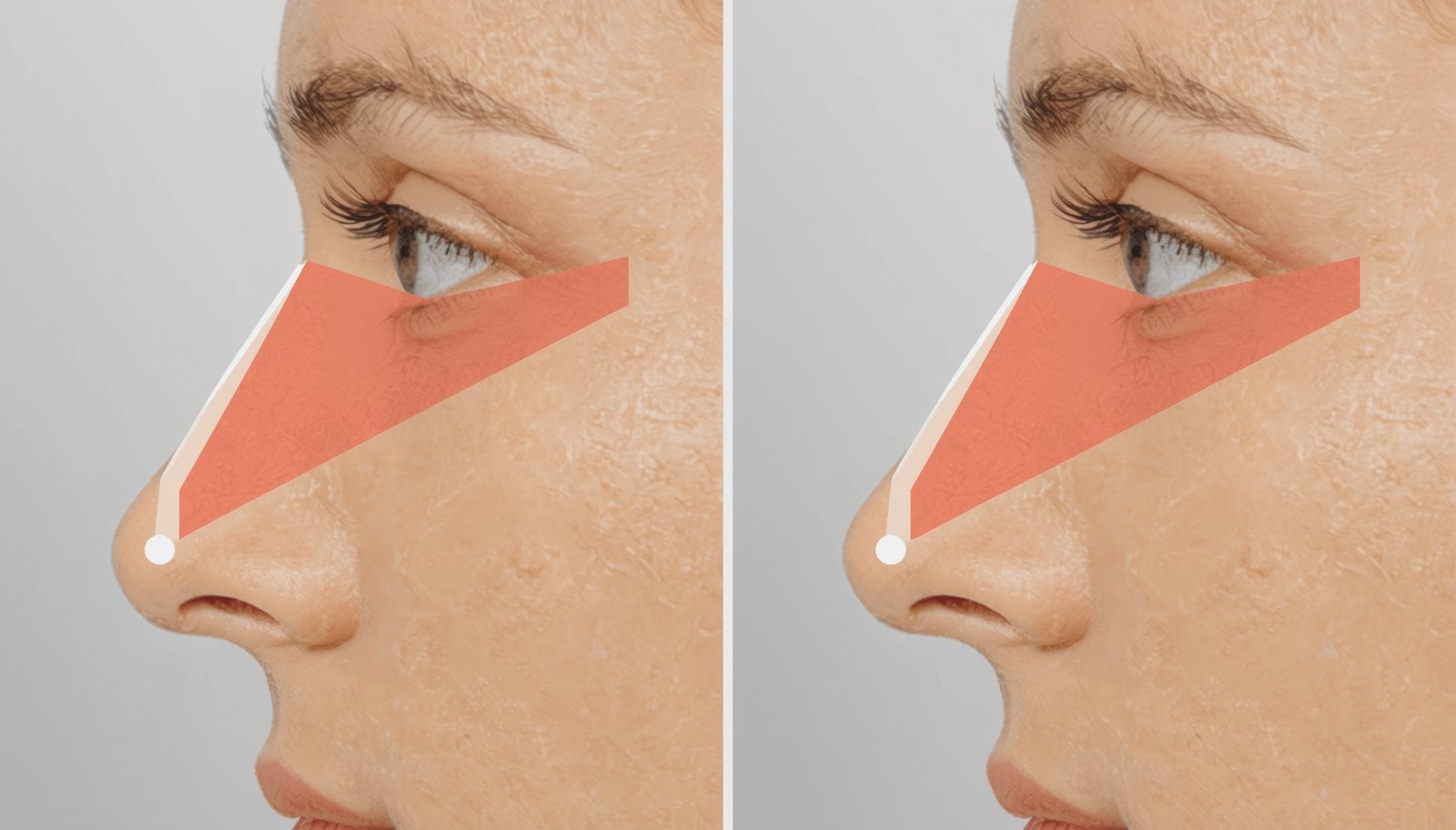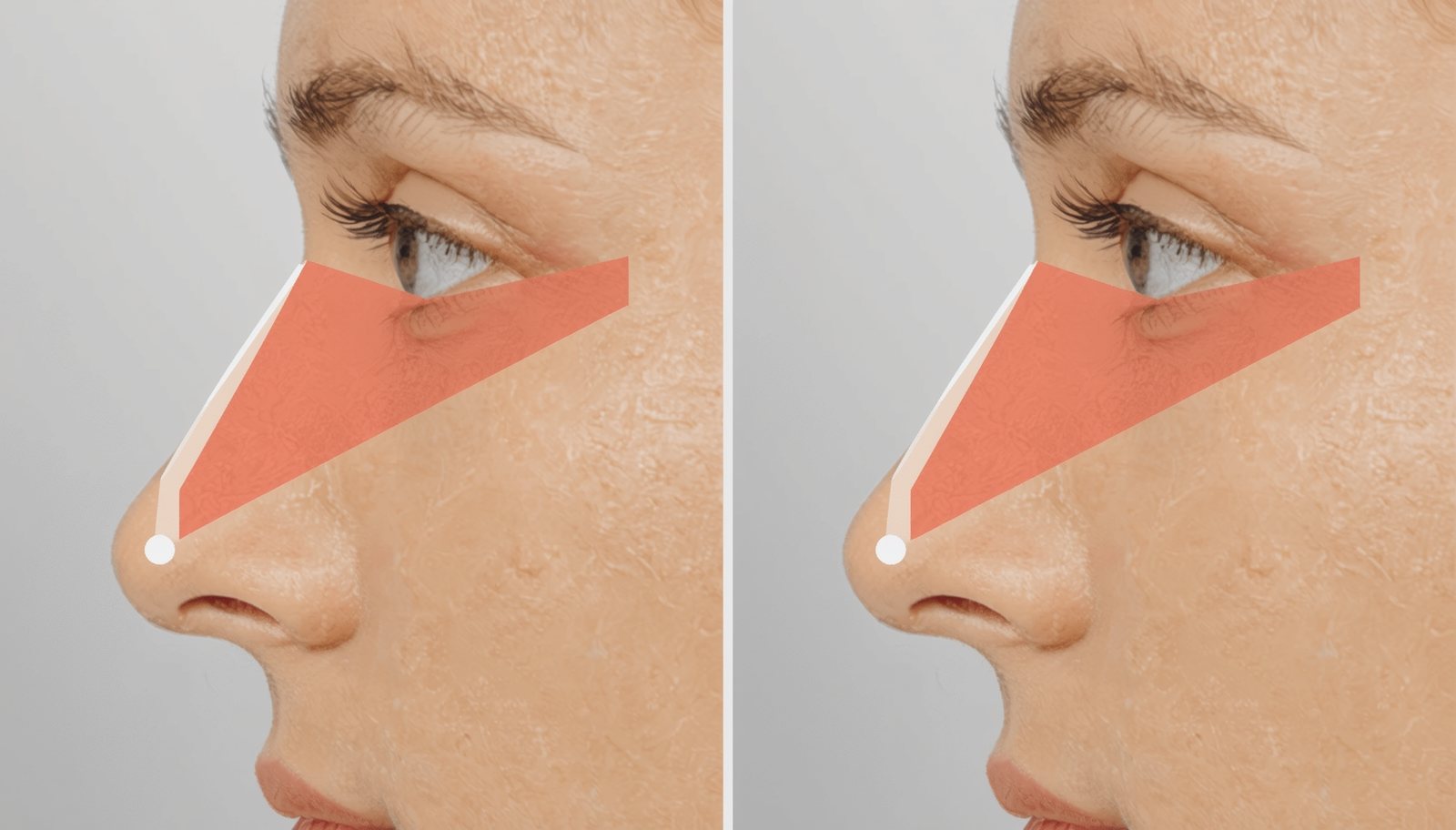

Perfect facial symmetry is a myth—almost every person has subtle differences between the right and left sides of the face.[web:31] However, when asymmetry is pronounced in the nose, it can draw unwanted attention and sometimes affect breathing. Asymmetry-focused rhinoplasty aims to respect natural individual variation while correcting structural problems that cause visible deviation or functional impairment.
Natural Versus Pathological Asymmetry
Natural asymmetry refers to small, harmless differences in bone shape, soft-tissue thickness, or muscle activity that are part of normal human variation.[web:31] For example, one eye may sit slightly higher than the other, or the jaw may be subtly shifted. These features usually do not require treatment.
Pathological or acquired asymmetry, on the other hand, often stems from trauma, congenital deformities, or previous surgery that has distorted nasal support.[web:31][web:28] Examples include a markedly crooked nose, severe septal deviation, or collapse of one side of the nasal valve, which can cause both cosmetic concern and breathing problems.
How Surgeons Evaluate Nasal Asymmetry
A thorough asymmetry evaluation includes frontal, profile, and basal views, as well as functional tests of airflow and valve stability.[web:31] Surgeons assess the relationship between the nose and other facial landmarks—such as the chin, lips, and eyes—to determine whether the apparent asymmetry is primarily nasal or part of a wider skeletal pattern.[web:31]
High-quality photography, 3D imaging, and sometimes computer simulations are used to document the preoperative state and plan realistic changes. These tools also help align expectations between patient and surgeon by illustrating what can and cannot be fully corrected.
Limits Of Asymmetry Correction
While modern rhinoplasty techniques allow impressive correction of deviations and contour irregularities, complete mirror-image symmetry is rarely achievable, especially when underlying bone or facial structures are asymmetric.[web:31][web:28] Overly aggressive attempts to force perfect alignment can weaken support, compromise breathing, or create an unnatural, “over-operated” look.
Experienced surgeons therefore aim for balanced, harmonious proportions rather than mathematical perfection. Patients who understand these limits and focus on overall facial harmony rather than microscopic details tend to be more satisfied with their results.[web:18]
Specialist Techniques For Asymmetry
Correcting nasal asymmetry typically involves a combination of septoplasty, controlled osteotomies, cartilage grafting, and tip refinement tailored to each side of the nose.[web:31] Structural rhinoplasty techniques rebuild a strong, midline framework, while preservation approaches seek to keep natural surfaces intact whenever possible.[web:10][web:15]
Cartilage grafts—from the septum, ear, or rib—may be used as spreader, batten, or onlay grafts to straighten the dorsum, support collapsed sidewalls, or fine-tune tip position.[web:31] In some complex cases, staged procedures or combination treatments (for example, jaw or chin surgery) are needed to fully address global facial asymmetry.
Setting Realistic Expectations With Expert Support
One of the most important steps in asymmetry correction is a detailed expectation-management conversation. Surgeons and patients must agree on which features bother the patient most, what degree of improvement is likely, and how residual asymmetry might still appear under different lighting or camera angles.[web:18][web:31]
By using an AI-powered platform like Nose Journey, patients seeking asymmetry-focused rhinoplasty can be matched with surgeons who have extensive experience in complex deviations and facial balancing. Reviewing real case examples from similar starting points helps you understand potential outcomes and choose a specialist whose aesthetic style aligns with your goals.